

Blog / Maintenance

Blog

All Maintenance Honda Tips and Advice Community New Cars Models Owner Info News Summer Road Trips Used Cars Civic Finance Accord CR-V Promotions Schlossmann Honda City Service Body Shop Greenfield Honda Dealer HR-V Odyssey Pilot Prologue Vehicle Comparisons Vehicle Safety
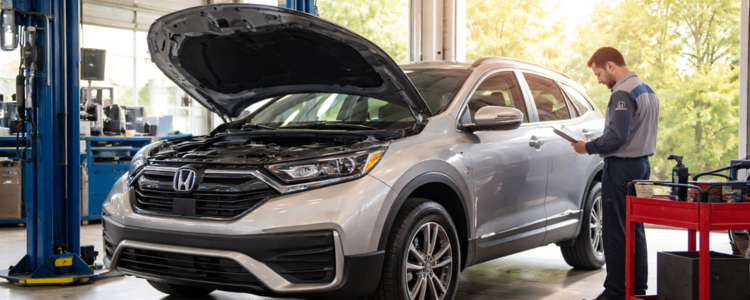
Honda technician inspecting a vehicle in a service bay with a Honda SUV parked nearby.

Summer Car Maintenance Tips for Wisconsin Drivers

Summer is one of the busiest travel seasons in Wisconsin. From weekend trips to Door County and Lake Geneva to family vacations across the Midwest, drivers put thousands of additional miles on their vehicles during the warmer months. Before you hit the road, taking care of a few key maintenance items can help improve safety, performance, and reliability throughout the summer. At Schlossmann Honda City in Greenfield, we help local drivers prepare their vehicles for the demands of summer driving so they can enjoy every mile with confidence. Check Your Tire Pressure and Tread As temperatures rise, tire pressure can fluctuate significantly. Underinflated or overinflated tires can affect handling, fuel efficiency, and overall safety. Before heading out on a road trip, check your tire pressure and inspect your tread depth. Properly maintained tires provide better traction during summer rainstorms and help maximize fuel economy during long drives. If you're unsure about your tires' condition, our service team can perform a quick inspection and recommend replacements if needed. Test Your Battery Many drivers associate battery problems with winter, but summer heat can be just as damaging. High temperatures can accelerate battery wear and shorten its lifespan. If your battery is more than three years old or you've noticed slow engine starts, it may be time for a battery inspection. A simple test can help determine whether your battery is ready for another season of Wisconsin adventures. Inspect Your Brakes Whether you're driving through Milwaukee traffic or navigating winding roads near Devil's Lake, reliable brakes are essential. Listen for unusual noises, pay attention to vibrations, and note any changes in braking performance. If something feels different, scheduling a brake inspection before your next road trip can help prevent larger issues down the road. Check Fluid Levels Your vehicle relies on several important fluids to operate properly, especially during hot weather. Important fluids to inspect include: Engine oil Coolant Brake fluid Transmission fluid Windshield washer fluid Maintaining proper fluid levels helps your vehicle run efficiently and reduces the risk of overheating during summer travel. Make Sure Your Air Conditioning Is Working Properly Few things can make a summer road trip uncomfortable faster than a weak air conditioning system. If your air conditioner isn't cooling as effectively as it once did, now is the perfect time to have it inspected. A properly functioning climate control system helps keep drivers comfortable and focused during long trips. Replace Worn Windshield Wipers Summer weather in Wisconsin can be unpredictable. Sudden thunderstorms can reduce visibility in a matter of seconds. Inspect your windshield wipers for signs of wear, cracking, or streaking. Replacing old blades is an inexpensive way to improve visibility and driving safety during summer storms. Pack an Emergency Roadside Kit Even with proper maintenance, it's always smart to be prepared. Consider keeping these items in your vehicle: Jumper cables Flashlight First aid kit Bottled water Phone charger Tire pressure gauge Basic hand tools Having these essentials on hand can provide peace of mind during longer road trips. Schedule a Summer Vehicle Inspection One of the easiest ways to prepare your vehicle for summer travel is with a comprehensive inspection. Professional technicians can identify potential issues before they become costly repairs and help ensure your vehicle is ready for the road ahead. At Schlossmann Honda City, our factory-trained technicians can inspect your tires, brakes, battery, fluids, air conditioning system, and more to help keep your Honda performing at its best throughout the summer season. Get Road Trip Ready at Schlossmann Honda City Whether you're planning a weekend getaway to Lake Geneva, a camping trip at Devil's Lake, or a family vacation across Wisconsin, proper maintenance helps keep your travels safe and enjoyable. Schedule your summer service appointment at Schlossmann Honda City in Greenfield today and let our team help prepare your vehicle for all of your warm-weather adventures.
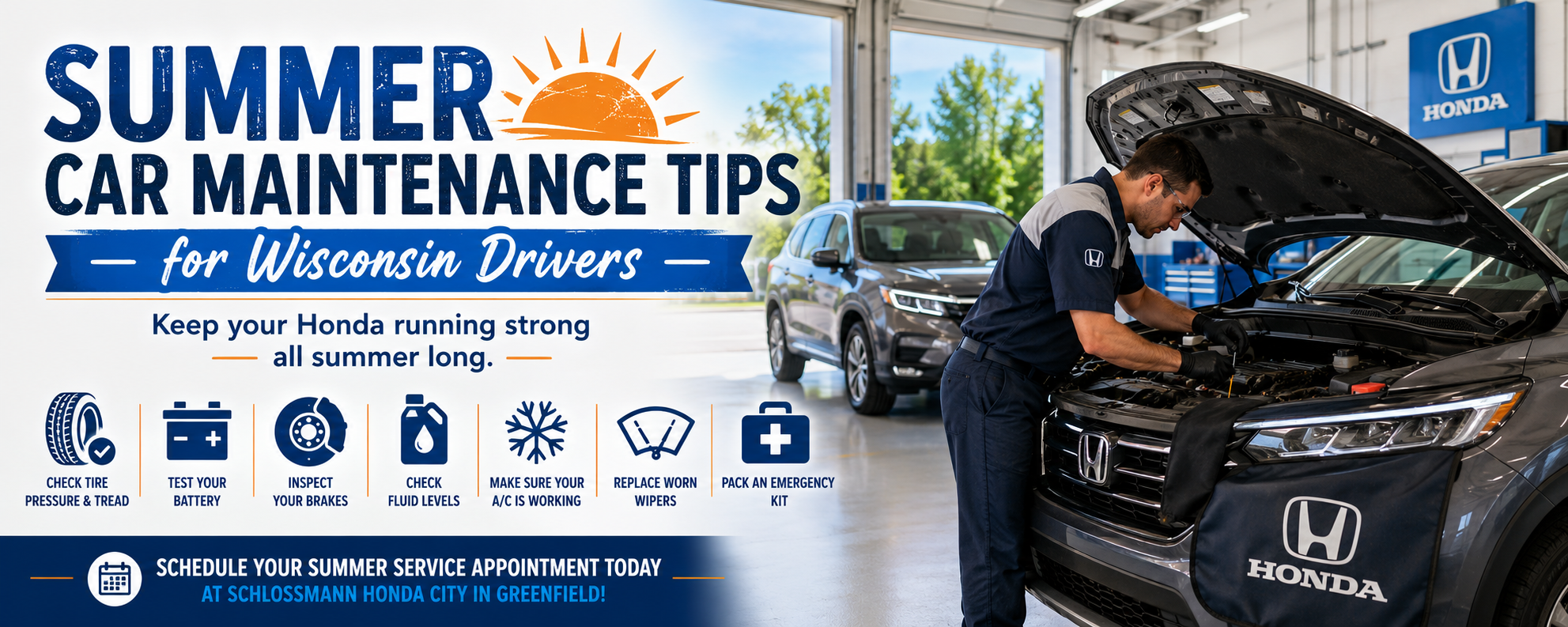

Authorized Tire Center image featuring a white Honda SUV centered between blue-lit tire racks with stacked tires in an indoor service facility.

Why Choosing a Honda Authorized Tire Center Matters for Your Vehicle

Your tires are one of the most important safety features on your Honda. They connect your vehicle to the road, impact braking performance, improve handling, and help maintain fuel efficiency in every season. Whether you're navigating Milwaukee streets, heading out on a road trip, or preparing for changing Wisconsin weather, having the right tires installed by trained professionals makes a major difference. That’s why more drivers are turning to Honda Authorized Tire Centers for expert service, quality tire options, and added peace of mind. More Than Just Tire Replacement Many drivers wait until their tires are worn down before thinking about replacement, but properly maintained tires do much more than keep your vehicle moving. Quality tires help: Improve traction in rain, snow, and icy conditions Enhance steering responsiveness and handling Reduce stopping distance Support better fuel economy Deliver a smoother, quieter ride When your tires begin to wear unevenly, lose tread depth, or show signs of damage, it’s important to have them inspected by certified professionals who understand your Honda inside and out. Why Choose a Honda Authorized Tire Center? A Honda Authorized Tire Center is designed specifically to help Honda owners get the best possible performance from their vehicle. Instead of generic recommendations, factory-trained technicians help match the correct tires to your specific Honda model and driving habits. Benefits of choosing a Honda Authorized Tire Center include: Expert Tire Recommendations From all-season tires to performance and winter tire options, Honda-trained technicians help you select the right tires for your vehicle and driving conditions. Professional Installation Proper mounting, balancing, and alignment are critical for tire life and vehicle performance. Certified Honda technicians use equipment and procedures designed to meet Honda specifications. Road Hazard Coverage Unexpected potholes, debris, and road hazards can damage tires without warning. Many Honda tire programs include valuable road hazard protection to help drivers stay protected from unexpected tire expenses. Competitive Tire Pricing Honda Authorized Tire Centers often feature tire specials, rebates, and seasonal promotions on trusted tire brands. Convenience and Confidence Getting service completed at a Honda dealership means your vehicle is serviced by professionals who know your vehicle best. Signs It May Be Time for New Tires Not sure if your tires need attention? Here are a few common warning signs: Tread depth is wearing thin Cracks or bulges appear on the sidewall Vibration while driving Uneven tire wear Reduced traction during wet or snowy conditions Tire pressure constantly drops If you notice any of these issues, scheduling a tire inspection can help prevent larger problems down the road. Protect Your Honda Year-Round Wisconsin drivers experience a wide range of road conditions throughout the year. From summer heat to winter snow and pothole season, your tires take a beating every day. Investing in quality tires and professional installation helps keep your Honda safe, efficient, and ready for every mile ahead. Whether you drive a Honda CR-V, Civic, Accord, Pilot, Passport, or Ridgeline, choosing the right tire center helps maximize performance and confidence behind the wheel. Schedule Tire Service Today If your Honda needs new tires, tire rotation, balancing, or a tire inspection, our team is here to help. Visit our Honda Authorized Tire Center to explore tire options, current offers, and professional Honda-certified service. Your tires do more than move your vehicle — they help protect everything inside it.

Honda vehicle in Honda City service bay with spring sunlight coming through open garage doors.

How to Prep Your Honda for Spring Service at Honda City

Winter in Wisconsin is hard on vehicles. Snow, salt, freezing temperatures, potholes — they all take a toll on your Honda’s performance and long-term reliability. As temperatures start to rise, spring is the perfect time to give your vehicle the attention it deserves. Here’s a quick checklist to help you prepare your Honda for the season ahead — and make the most of spring service opportunities at Honda City. 1. Inspect for Winter Wear & Tear After months of winter driving, it’s smart to check for: Brake wear from icy stop-and-go traffic Suspension stress from potholes Tire pressure fluctuations Battery strain from cold starts At Honda City, a spring inspection helps identify minor issues before they turn into costly repairs. 2. Check Your Tires Winter conditions can impact tread and alignment. This is a great time to: Check tread depth Adjust tire pressure Rotate tires Switch from winter tires back to all-season tires Proper tire care improves fuel efficiency and handling heading into warmer months. 3. Test Your Battery Cold weather weakens batteries — even if your Honda started reliably all winter. A quick battery test at Honda City can help prevent unexpected issues during spring road trips or daily commutes. 4. Remove Road Salt & Protect Your Vehicle Salt buildup can lead to corrosion, especially underneath your vehicle. A thorough wash, including undercarriage cleaning, helps protect your Honda’s long-term value and keeps it looking its best. 5. Schedule Routine Maintenance Spring is an ideal time to stay on top of: Oil changes Filter replacements Brake inspections Alignment checks Multi-point inspections Keeping up with recommended maintenance ensures your Honda stays reliable year-round. 🌷 Why Spring Service Matters Warmer weather means more driving — road trips, sports seasons, weekend travel, and daily commuting. Preparing your Honda now helps prevent breakdowns and keeps everything running smoothly. 📍 Schedule Your Spring Service at Honda City If your vehicle is due for maintenance or you simply want peace of mind after winter, our service team at Honda City is here to help. 👉 Schedule your spring service appointment today and keep your Honda ready for the season ahead.

Honda service technician reviewing vehicle warranty coverage on a tablet beside a Honda SUV inside a service bay.

Honda Warranty FAQ: What’s Covered?

When purchasing a new Honda, one of the most important benefits is the factory warranty coverage that comes with it. But what exactly does it cover? How long does it last? And what isn’t included? If you’ve ever asked these questions, this Honda Warranty FAQ will break everything down clearly and simply. 🚗 What Is Honda’s Basic Limited Warranty? Honda’s New Vehicle Limited Warranty (often called “bumper-to-bumper”) covers most components of your vehicle for: 3 years or 36,000 miles (whichever comes first) This includes: Electrical systems Air conditioning Audio and technology systems Suspension components Most factory-installed parts If something fails due to a manufacturing defect during this period, it’s typically covered. 🔧 What Is Covered Under the Powertrain Warranty? Honda’s Powertrain Limited Warranty lasts longer: 5 years or 60,000 miles This covers major mechanical components such as: Engine Transmission Drivetrain Internal engine parts Powertrain coverage protects the most expensive mechanical systems in your vehicle. 🔋 What About Hybrid & Battery Coverage? If you drive a Honda Hybrid, your vehicle includes additional protection. Hybrid system components (including the high-voltage battery) are typically covered for: 8 years or 100,000 miles (Some states may extend this coverage.) Hybrid components covered include: Hybrid battery Electric motor Power control unit This extended protection gives hybrid drivers added peace of mind. Are Wear-and-Tear Items Covered? Certain items are considered normal maintenance and are not covered under the standard warranty, including: Brake pads Tires Windshield wipers Filters Routine oil changes These items wear out with regular use and are part of standard vehicle maintenance. Does Honda Warranty Include Roadside Assistance? Yes — new Honda vehicles include Roadside Assistance for the duration of the 3-year/36,000-mile warranty. This can include: Towing to the nearest Honda dealership Jump-starts Flat tire assistance Lockout assistance Fuel delivery (fuel cost not included) It’s designed to help if something unexpected happens while you’re on the road. Is the Honda Warranty Transferable? Yes. If you sell your Honda during the warranty period, the remaining factory warranty coverage typically transfers to the next owner. This can help improve resale value and buyer confidence. What Is Not Covered by Warranty? The warranty does not cover: Damage from accidents Improper maintenance Modifications or aftermarket parts Environmental damage (hail, flooding, etc.) Keeping up with recommended maintenance helps protect your warranty coverage. Can You Extend Honda Warranty Coverage? Yes — many drivers choose to add extended vehicle protection plans for additional coverage beyond the factory warranty period. Extended coverage may help protect: Advanced technology systems High-cost repairs after 60,000 miles Long-term ownership plans If you plan to keep your Honda for many years, extended coverage can provide added peace of mind. Honda’s factory warranty provides strong coverage for major components during the early years of ownership. With bumper-to-bumper, powertrain, hybrid system coverage, and roadside assistance included, Honda drivers receive meaningful protection from day one. Understanding what’s covered — and what isn’t — helps you drive with confidence and plan for long-term ownership. Have Questions About Your Honda’s Coverage? If you’d like help reviewing your warranty coverage, checking what’s remaining, or exploring extended protection options, our team is happy to assist. 👉 Contact us or schedule a visit to learn more.

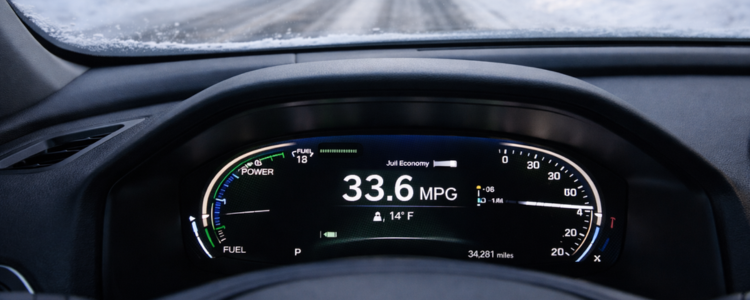
Car dashboard displaying fuel economy while driving on a snow-covered road during winter conditions.

How to Boost Fuel Economy in Cold Weather

Cold winter temperatures don’t just make driving uncomfortable — they can also reduce your vehicle’s fuel economy. Many drivers notice they’re filling up more often during winter months, even if their driving habits haven’t changed. The good news? With a few smart adjustments, you can improve your fuel efficiency and get more out of every tank during cold weather. ❄️ Why Fuel Economy Drops in Winter Fuel economy typically decreases in winter for several reasons: Cold air increases aerodynamic drag Engines take longer to warm up Winter fuel blends are less energy-dense More electrical systems are in use (heaters, defrosters, heated seats) All of this puts extra demand on your vehicle — but it doesn’t mean poor MPG is unavoidable. 🚗 Let Your Engine Warm Up… Briefly Older vehicles needed long warm-ups, but modern Hondas don’t. Best practice: Start the engine Let it idle for 30–60 seconds Begin driving gently Driving warms the engine faster and more efficiently than extended idling. 🛞 Keep Tires Properly Inflated Cold temperatures lower tire pressure. Under-inflated tires increase rolling resistance, which hurts fuel economy. Tip: Check tire pressure at least once a month in winter and keep it at the manufacturer-recommended level. 🧼 Clear Snow & Ice Before Driving Extra snow and ice add weight and drag. Removing snow from: Roof Hood Windows can noticeably improve fuel efficiency and safety. ⛽ Drive Smoothly in Slippery Conditions Aggressive driving wastes fuel and reduces traction. To save fuel: Accelerate gently Maintain steady speeds Anticipate stops early Smooth driving improves MPG and winter safety. 🌡️ Use Heating Features Wisely Heaters, defrosters, and heated seats increase fuel usage — especially in short trips. Fuel-saving tips: Use heated seats instead of blasting cabin heat Turn off defrosters once windows are clear Avoid unnecessary electrical use 🔧 Stay on Top of Winter Maintenance A well-maintained vehicle runs more efficiently. Winter maintenance to prioritize: Engine oil changes Air filter replacement Battery health checks Proper alignment 🚙 Short Trips Hurt Fuel Economy Short winter trips are especially hard on MPG because engines rarely reach optimal temperature. How to help: Combine errands into one trip Avoid multiple cold starts when possible Winter fuel economy drops are common — but not unavoidable. Small habits like proper tire pressure, gentle driving, and minimizing idling can add up to meaningful savings over the season. If you want your vehicle running efficiently all winter long, regular maintenance and smart driving habits make all the difference. 📍 Need Help Improving Winter MPG? Our service team can help check tire pressure, battery health, and winter maintenance items to keep your vehicle running efficiently in cold weather. 👉 Schedule your winter service today!

Checking Tire Thread blog banner

🛞 How to Check Your Tire Tread (And Why May Is a Good Time)

When was the last time you checked your tire tread? If you’re like most drivers, it’s probably been a while — or maybe never. But as the seasons change and summer road trips loom, May is the perfect time to make tire safety a priority. Worn or bald tires can reduce your vehicle’s ability to stop, turn, and handle rain-slick roads. That’s why we’re breaking down a simple way to check your tread and explaining why spring is an ideal time for a tire inspection. 🚗 Why Tire Tread Matters Tread depth is the measurement of the grooves in your tire. These grooves help: Channel water away to prevent hydroplaning Maintain traction on wet or uneven roads Improve stopping distance and overall handling The more worn the tread, the less control you have — especially in rainy conditions or during sudden stops. Pro tip: Tires with low tread are especially dangerous during spring rainstorms and hot summer road conditions. 🪙 The Penny Test: A Quick DIY Check One of the easiest ways to check your tire tread is the classic Penny Test. Here's how to do it: Take a U.S. penny and hold it with Lincoln’s head facing down. Insert it into the tread groove of your tire. Look closely: If you can see the top of Lincoln’s head, your tread is too low (less than 2/32 of an inch). If part of Lincoln’s head is covered, your tread is still within a safe range. 📏 Bonus Tip: For even better accuracy, you can use a tread depth gauge, available at most auto parts stores. 🧰 Check All Four Tires — And Not Just the Middle Tires don’t always wear evenly. Be sure to: Check inner and outer edges of each tire Inspect all four tires, not just one Look for cracks, bulges, or bald spots while you’re at it If you notice uneven wear, it could signal the need for a tire rotation, alignment, or suspension check. 🌸 Why May Is the Right Time May is the gateway to summer, which means: More road trips ( End of School trips, vacations, weekend getaways) Hotter pavement that can stress worn tires Rainy spring weather that demands strong tread for traction Getting ahead of tire issues now ensures you’ll be safe and ready for whatever the summer throws your way. 🛠️ Let the Experts Help Not sure how your tires are doing? Our service team at Schlossmann Honda City can: Perform a free tire inspection Check air pressure and tread depth Rotate or replace tires if needed Help you choose the right tires for your driving habits and budget 🔧 Special May Offer: Four Wheel Balancing Special 🚙 Stay Safe and Roll into Summer with Confidence Your tires are your first line of defense on the road — don’t let worn tread cut your adventures short. Take five minutes to do the penny test, or better yet, let our technicians handle it for you. 👉 Schedule your tire inspection or service appointment today

Spring into Savings blog banner

🌸 Spring into Savings: May Service Specials You Can’t Miss at Honda City

Spring is finally here — and with warmer weather, road trips, and busy summer schedules on the horizon, there’s no better time to give your Honda the care it deserves. At Honda City in Milwaukee, we’re making it easier (and more affordable) than ever to keep your vehicle in top shape with limited-time May service specials. Whether you’re due for routine maintenance or need to catch up on something you’ve been putting off, our factory-trained technicians are here to help — and our special offers are designed to keep both your car and your wallet happy. 🚗 Featured May Service Specials Here are just a few of the current deals we’re offering to help you prepare your vehicle for spring and summer: ✅ Oil Change Special – $69.95 Routine oil changes are key to engine performance and longevity. This May, get an oil change for $69.95 which includes OW-20 Synthetic Oil, Genuine Honda Oil Filter, Top off of all fluids, Free multipoint inspection, and a Free car wash! ✅ Brake Pad and Rotors Special – $20 Off Hearing squeaks or feeling vibrations when you stop? Don’t wait. Take $20 off brake service to ensure your safety as road trips and traffic season approach. ✅ Battery Special – $20 Off Don't get stranded this summer. Enjoy a Genuine Honda Battery Replacement with 100 month limited warranty and 36 month free replacement. Includes installation. ✅ Alignment and Tire Check - FREE Interested in a free alignment and tire check? Ask our Service Managers about it. Each check includes a check of suspension components, inspection of steering components, examination of tires for wear, and a check and adjustment of tire pressure. 🔗 👉 Click here to view all current service specials 🛠 Why Spring Maintenance Matters Your vehicle just made it through a Wisconsin winter — which means it could be due for some seasonal TLC. Now is the perfect time to: Inspect your tires and brakes after cold-weather wear Replace your cabin air filter (especially for allergy season) Refresh fluids and check your A/C before summer heat hits Wash away salt residue with a full-detail or wash service Proactive maintenance now can help you avoid breakdowns later — and save money in the long run. 📅 Schedule Your Spring Service Today These offers are only available for a limited time — so don’t wait. Let Honda City help you stay on the road with expert service, genuine Honda parts, and transparent pricing. 👉 Book your service online or call us today to take advantage of our May specials.

Fuel Saving Tips blog banner

Easy Fuel-Saving Tips to Boost Your MPG and Your Wallet

With gas prices constantly fluctuating, getting the most out of every gallon is more important than ever. Fortunately, saving fuel doesn't always require major changes—just a few smart driving habits and simple vehicle maintenance can go a long way. Check out these practical tips to help you improve your fuel economy and keep your car running efficiently. 1. Drive Conservatively Aggressive driving—like speeding, rapid acceleration, and hard braking—can lower your gas mileage significantly. A smoother, more relaxed driving style saves fuel and keeps your ride more comfortable. 2. Skip the Jackrabbit Starts Flooring the gas pedal at every green light might feel powerful, but it burns a lot of fuel. Ease into your acceleration and you’ll notice a difference at the pump. 3. Avoid Excessive Idling Idling for long periods wastes fuel and adds unnecessary wear to your engine. If you’re parked for more than a minute or two, it’s more efficient to turn off the engine. 4. Use Idle Stop Technology If your vehicle is equipped with automatic idle stop/start features, let it do its job. This system shuts off the engine at stops and restarts it when you release the brake—saving fuel without extra effort. 5. Keep Up with Regular Maintenance A well-maintained vehicle is a fuel-efficient one. Regular oil changes, inspections, and tune-ups help everything run smoothly and maximize MPG. 6. Replace Spark Plugs as Recommended Old or worn spark plugs can reduce engine performance and fuel economy. Follow your manufacturer’s maintenance schedule to keep them in top shape. 7. Ditch Unnecessary Weight Extra weight—especially heavy items in the trunk or on the roof—can drag down fuel efficiency. Remove gear you don’t need to lighten the load. 8. Use the Right Oil Always use the oil type recommended by your vehicle’s manufacturer. Using incorrect viscosity oil can affect engine performance and reduce efficiency. 9. Choose Top Tier Fuel When Possible Top Tier gasolines contain detergents that keep your engine cleaner and running more efficiently. It may cost a bit more, but it pays off in the long run. 10. Keep Tires Properly Inflated Underinflated tires create more rolling resistance, which forces your engine to work harder. Check your tire pressure regularly and adjust to the manufacturer’s specifications. 11. Stick with OEM-Spec Tires Tires designed for your specific vehicle model help maintain optimal fuel efficiency and safety. Avoid oversized or off-spec tires unless absolutely necessary. 12. Remove Snow Tires in Spring Winter tires are great for snow and ice, but they have higher rolling resistance. Swap them out for all-season or summer tires when the weather warms up to improve fuel economy. 13. Get Regular Wheel Alignments Misaligned wheels can cause your car to drag, leading to decreased fuel efficiency. A proper alignment helps your car roll smoothly and evenly. 14. Clean or Replace the Engine Air Filter A clogged air filter restricts airflow, making your engine work harder and burn more fuel. Check it regularly and clean or replace it as needed. 15. Turn Off the A/C When You Can Running your air conditioner can add strain to the engine. If it’s a cool day, try rolling down the windows instead to save a bit of fuel. Final Thoughts Fuel efficiency isn’t just about saving money—it’s also better for the environment and extends the life of your vehicle. With these small changes and a bit of attention to maintenance, you can go farther on every tank. Safe driving!

driving safely in april showers blog banner

🚗 Driving Safely in April Showers: Rainy Weather Tips from Honda City

April showers might bring May flowers, but they also bring slick roads and challenging driving conditions. At Honda City, we want to make sure you and your family stay safe on the road—no matter what the weather throws your way. Rain can seriously impact visibility and traction, so taking a few extra precautions is key. Here are 7 smart tips for driving safely during spring rains! 1. Check Your Tires Your tires are your car’s only contact with the road, and in wet conditions, they’re even more important. Worn-out treads reduce grip and increase your chances of hydroplaning. ✔️ Tip: Make sure your tires have at least 4/32" of tread depth. If you’re unsure, stop by Honda City for a quick tire check or rotation. 2. Replace Worn Wiper Blades April rains can come down fast, and old wiper blades can leave streaks that blur your vision. ✔️ Tip: If your wipers leave streaks or squeak, it’s time for a replacement. 3. Slow Down & Keep Your Distance Wet roads mean less traction. Driving at lower speeds gives your tires more contact with the pavement and reduces the risk of skidding. ✔️ Tip: Increase your following distance to at least 5 seconds behind the vehicle in front of you. 4. Use Headlights—Not High Beams Rain reduces visibility, and turning on your headlights helps you see (and be seen). But avoid using high beams; they can reflect off the rain and make things worse. ✔️ Bonus: Many states require headlights to be on when windshield wipers are in use! 5. Avoid Sudden Movements Accelerate and brake slowly to prevent skids. If you do start to skid, steer in the direction you want the front of the car to go, and ease off the gas. ✔️ Tip: Anti-lock brakes (ABS) will help you stop safely—don’t pump the brakes! 6. Beware of Standing Water It might be tempting to plow through that big puddle, but standing water can hide potholes—or worse, cause you to hydroplane. ✔️ Tip: If you can’t avoid a puddle, slow down before reaching it and drive straight through at a steady pace. 7. Check Your Brakes Wet brakes can take longer to stop you. If they feel soft or take longer to engage, have them checked right away. ✔️ Tip: After driving through a deep puddle, tap the brakes lightly to help dry them out. Stay Safe This Spring! Driving in rainy weather doesn’t have to be stressful. Regular maintenance and a few smart habits can keep you in control no matter the forecast. Need help getting your vehicle ready for April showers? Our certified technicians at Honda City are here to help! 👉 Schedule your Spring Safety Inspection today and make sure your tires, brakes, and wipers are ready for the season.

protect car from spring pollen blog banner

How to Protect Your Car from Spring Pollen & Allergies

Spring is a beautiful time of year, but for many people, it also brings a major downside— pollen and seasonal allergies. If you’ve ever noticed a yellowish-green layer of dust covering your car in spring, you’re not alone! Pollen buildup isn’t just annoying—it can damage your car’s paint, clog air filters, and even trigger allergies while you drive. To help you and your vehicle stay pollen-free, here are some essential tips to protect your car from spring pollen and allergies. 1. Wash Your Car Regularly Pollen can stick to your car’s paint and cause long-term damage, especially when mixed with rain. The tiny particles contain acidic properties that can lead to staining, scratches, and corrosion over time. How to Prevent Pollen Damage: ✔ Wash your car at least once a week during peak pollen season. ✔ Use a high-quality car shampoo to lift pollen without scratching the paint. ✔ Rinse with a hose or pressure washer to remove pollen before scrubbing. ✔ Dry with a microfiber towel to prevent water spots. 💡 Pro Tip: If you park outside, consider rinsing your car every few days to remove pollen buildup between full washes. 2. Apply a Protective Wax or Sealant A layer of wax or sealant acts as a barrier between pollen and your car’s paint, making it easier to rinse off. How to Protect Your Car’s Paint: ✔ Apply a car wax or ceramic coating in early spring to repel pollen. ✔ Use a spray wax after each wash to maintain protection. ✔ Consider a ceramic sealant for long-lasting defense against pollen and UV rays. 💡 Bonus Tip: A spray detailer can help remove light pollen between washes without scratching your car’s surface. 3. Keep Your Car’s Cabin Clean Pollen doesn’t just stay outside— it can find its way into your car’s interior, making your allergies worse. How to Keep Your Car Allergy-Free: ✔ Vacuum your seats, floor mats, and dashboard regularly to remove pollen and dust. ✔ Use a microfiber cloth to wipe down surfaces—avoid dry dusting, which can spread pollen particles. ✔ Clean your vents with compressed air or a vent brush to remove hidden pollen buildup. 💡 Bonus Tip: A steering wheel cover can prevent pollen buildup on your hands and can be easily washed. 4. Replace Your Cabin Air Filter Your car’s cabin air filter is responsible for filtering out pollen, dust, and allergens before they enter your car’s ventilation system. A clogged filter can make allergies worse and reduce airflow. When to Replace Your Cabin Air Filter: ✔ At least once a year, or every 12,000-15,000 miles. ✔ More frequently if you live in an area with heavy pollen. ✔ If you notice reduced airflow or a musty smell when using your AC. 💡 Pro Tip: Consider upgrading to a HEPA or activated carbon cabin filter to trap more allergens. 5. Use the Right Air Conditioning Settings Running your AC the right way can help filter out pollen and keep your cabin air clean. How to Reduce Pollen Inside Your Car: ✔ Use "Recirculate" Mode – This prevents pollen-filled outside air from entering your car. ✔ Turn on the AC Before Driving – Let the filter catch pollen before you start driving. ✔ Close Windows & Sunroof – Open windows allow pollen to settle inside your car. 💡 Bonus Tip: If your car has an air purifier feature, use it to reduce airborne allergens. 6. Park Smart to Avoid Pollen Exposure Where you park your car can make a big difference in pollen buildup. Best Places to Park: ✔ Garage or Covered Parking – Shields your car from pollen and rain. ✔ Away from Trees & Grass – Pollen tends to settle heavily in these areas. ✔ Use a Car Cover – If you must park outside, a breathable car cover can help. 💡 Bonus Tip: If your car sits outside for long periods, try covering the windshield with a sunshade to prevent pollen from collecting inside. 7. Schedule a Spring Maintenance Check Spring is the perfect time to give your car a check-up and make sure it’s ready for the warmer months ahead. ✔ Replace your cabin air filter for cleaner air inside your car. ✔ Check and clean your air vents to improve airflow. ✔ Get an exterior detail or wax treatment for added protection. At Honda City, we offer spring car maintenance services, including cabin air filter replacements, exterior detailing, and pollen protection treatments. Book an appointment today and keep your car pollen-free this season!

spring car issues blog banner

Common Spring Car Issues & How to Prevent Them

As winter fades away, many drivers assume their cars are in the clear. However, spring brings its own set of challenges for your vehicle. The transition from cold to warmer weather can expose hidden damage from winter driving and create new issues. To keep your car running smoothly, here are some common spring car problems and how to prevent them. 1. Tire Problems: Worn Treads & Pressure Fluctuations Winter driving can wear down your tires, and fluctuating spring temperatures can cause pressure changes. How to Prevent It: ✔ Check tire pressure – Warmer weather can cause overinflation, so adjust accordingly. ✔ Inspect tread depth – Use the penny test (if you can see Lincoln’s head, it’s time for new tires). ✔ Rotate or replace tires – If you used winter tires, switch back to all-season or summer tires for better performance. 2. Battery Issues: Weak or Failing Battery Cold weather drains your battery, and if it's already weak, spring heat can finish it off. How to Prevent It: ✔ Test your battery – Our Express Service offers battery testing! ✔ Look for corrosion – Clean battery terminals to ensure a strong connection. ✔ Replace if necessary – If your battery is 3+ years old, consider a replacement. 3. Pothole Damage: Suspension & Alignment Issues Spring means pothole season, and hitting one too hard can damage your suspension, wheels, or alignment. How to Prevent It: ✔ Drive cautiously – Avoid potholes when safe and slow down if you can’t. ✔ Listen for unusual noises – Clunking sounds or a pulling sensation could mean suspension issues. ✔ Get an alignment check – If your car drifts or your steering wheel vibrates, visit a professional. 4. Wiper Blade Wear & Windshield Visibility Issues Winter ice and snow wear out your wiper blades, leading to streaking or poor visibility in spring showers. How to Prevent It: ✔ Replace wiper blades – If they streak or squeak, swap them out. ✔ Top off wiper fluid – Use a spring-friendly formula to clear pollen and bugs. ✔ Check for windshield cracks – Small chips can expand with temperature changes, so fix them early. 5. Pollen & Allergy Issues: Dirty Cabin Air Filter Spring brings high pollen counts, which can clog your cabin air filter and worsen allergies. How to Prevent It: ✔ Replace your cabin air filter – This improves air quality and HVAC efficiency. ✔ Vacuum and dust the interior – Remove pollen buildup from seats and vents. ✔ Use air conditioning instead of opening windows – This helps filter out allergens. 6. Fluid Leaks: Winter Wear & Tear Cold temperatures can cause seals and hoses to crack, leading to fluid leaks in spring. How to Prevent It: ✔ Check for leaks under your car – Look for oil, coolant, or transmission fluid spots. ✔ Monitor fluid levels – Low levels may indicate a slow leak. ✔ Get a spring maintenance check – A professional can inspect seals and hoses for damage. 7. Overheating Issues: Cooling System Concerns As temperatures rise, your car’s cooling system needs to work harder, especially if it was strained during winter. How to Prevent It: ✔ Check coolant levels – Top off if low and look for leaks. ✔ Inspect radiator hoses – Replace any that are cracked or brittle. ✔ Watch your temperature gauge – If it’s creeping up, seek professional help. Final Thoughts Spring is the perfect time for a car check-up after a harsh winter. By catching these issues early, you can prevent costly repairs and keep your vehicle running smoothly for the warmer months ahead. At Honda City, we offer spring maintenance checks, battery tests, tire services, and more to help you prepare for the season. Schedule your service today and drive into spring with confidence!

spring car cleaning blog banner

Spring Cleaning for Your Car: Interior & Exterior Detailing Tips

Winter can take a toll on your vehicle, leaving behind dirt, road salt, and grime both inside and out. As the weather warms up, it's the perfect time for a deep spring cleaning to get your car looking and feeling fresh again. Here’s a step-by-step guide to spring cleaning your car, inside and out. Exterior Cleaning: Bring Back the Shine 1. Wash Off Winter Grime Winter roads can leave salt and dirt on your car, which can damage the paint and cause rust. Start with: ✔ A thorough rinse – Use a high-pressure hose to remove loose dirt and salt. ✔ A two-bucket wash method – One bucket for soapy water and one for rinsing, using a microfiber mitt to prevent scratches. ✔ Focus on the undercarriage – Salt buildup underneath can cause corrosion, so use a hose or visit a car wash with an undercarriage spray. 2. Clay Bar for a Smooth Finish After washing, use a clay bar to remove embedded contaminants from the paint. This will make your car feel silky smooth and help it shine. 3. Wax for Protection & Shine Spring sun can be harsh, so apply a good-quality wax to protect your car’s paint from UV rays and give it a deep, glossy shine. 4. Clean Your Wheels & Tires Winter driving leaves brake dust and grime on your wheels. Use a wheel cleaner and tire brush to scrub them clean. Finish with a tire shine spray for a fresh look. Interior Cleaning: Refresh Your Cabin 5. Declutter & Vacuum Thoroughly ✔ Remove trash, winter gear, and unnecessary items. ✔ Vacuum seats, floor mats, and under the seats. ✔ Use a soft brush attachment to clean vents and dashboard crevices. 6. Deep Clean the Upholstery ✔ Cloth seats – Use a fabric cleaner to remove stains and odors. ✔ Leather seats – Wipe down with a leather cleaner and conditioner to prevent cracking. ✔ Floor mats – Wash rubber mats with soap and water or shampoo carpet mats. 7. Wipe Down Surfaces & Touchpoints ✔ Use an interior cleaner or mild soap to wipe the dashboard, center console, and door panels. ✔ Clean buttons, cupholders, and touchscreen displays with a microfiber cloth to avoid streaks. ✔ Don’t forget the steering wheel – It collects a lot of dirt and bacteria! 8. Refresh the Air & Replace the Cabin Filter ✔ Replace your cabin air filter to remove dust, pollen, and odors. ✔ Use an air freshener or odor eliminator to keep the interior smelling fresh. Bonus Spring Cleaning Tips ✔ Check wiper blades – Winter can wear them out, so replace if needed. ✔ Clean windows inside and out – Use a streak-free glass cleaner for better visibility. ✔ Organize your trunk – Keep essentials like an emergency kit, jumper cables, and a small vacuum. Final Thoughts Spring cleaning isn’t just for your home – your car deserves a refresh, too! A deep clean not only makes your car look great but also protects it from long-term damage. Need professional detailing? Visit Honda City for expert car detailing services and get your ride looking brand new this spring! Ready to give your car a fresh start? Book a detailing appointment today!

Contact Us

Fill out this form below and we'll contact you shortly
*Required Fields