Blog / Tips and Advice

Honda Tire Pressure Monitoring System

Tire Pressure Monitoring System - Schlossmann Honda City Blog
You’ve got a lot to keep track of every day, and, while it is important, the pressure in your tires is not likely top-of-mind for you as you’re getting around Milwaukee. That’s okay because your Honda has your back, with the Tire Pressure Monitoring System (TPMS) and Fill Assist. Your Honda makes it easy to know when it’s time to fill up on air the next time you fill up with gas.

Tire Pressure is Important

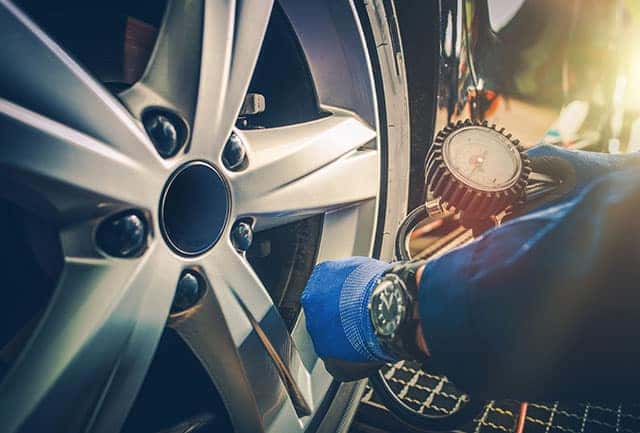
While it may not be the first thing on your mind, your Honda’s tire pressure is important. There are a number of issues that can affect your vehicle and how well it performs on the road with improper tire pressure. Perhaps most importantly, low tire pressure can affect your braking distance and the responsiveness of your steering. These can be key in an emergency braking situation. The risk underinflated tires pose in an emergency situation is just the start. Your tires can cost you in the long run as well as the short run. Underinflated tires can wear out faster, meaning you’ll have to relapse them more often. In extreme cases, the additional wear and tear on your tires could cause a blowout. Finally, there’s another long-term cost, fuel efficiency. The higher rolling distance means you’ll get fewer miles to the gallon. Fuel prices are on everyone’s mind, so ensuring you have properly inflated tires is another way you can make sure you’re not paying more at the pump.

Honda TPMS

That’s where the Tire Pressure Monitoring System comes in. Your Honda will inform you when one of your tires is low via an alert on your instrument panel. That way, you’ll know when there’s an issue and you can get it fixed. In addition, the available Fill Assist helps out again when you are filling up, altering you via the horn and headlights that you’ve sufficiently filled the tire! No more fiddling with a tire gauge, Honda makes it easy! This handy feature is available on the 2016 (and newer) Pilot, 2017 (and newer) Ridgeline, 2018 (and newer) Odyssey, and 2019 (and newer) Passport. Do you love this great Honda feature? Let us know on Facebook or Twitter. To get behind the wheel of a Honda with TPMS, visit us here at Schlossmann Honda City. We’re your source near Milwaukee, WI for new Honda, used cars, and great auto service. Servicing with us is easy, you can make an appointment online! Want to sell your car? We’re making great deals on trades! You’ll see why Schlossmann Honda City is your Milwaukee car buying destination.
Posted in:

Related Posts

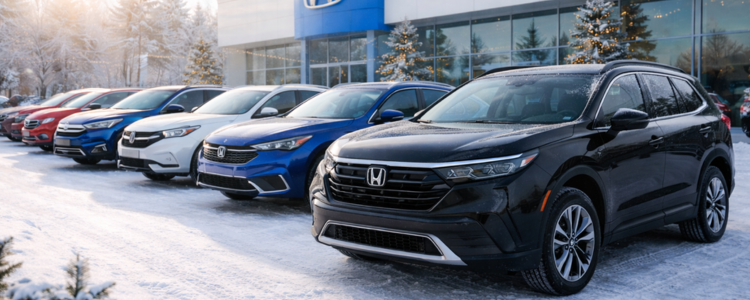
Honda vehicles parked at a dealership in winter, representing the best models to consider in the new year.

Best Honda Vehicles to Consider in 2026

A new year is the perfect time for a fresh start — and for many drivers, that means upgrading their vehicle. Whether you’re looking for something fuel-efficient, family-friendly, ready for winter, or packed with the latest technology, Honda has a model that fits your lifestyle. To help make your decision easier, here are the best Honda models to consider in the new year — along with what makes each one a smart choice for Wisconsin drivers. 🚗 Best All-Around SUV: Honda CR-V The Honda CR-V continues to be one of the most popular compact SUVs year after year — and for good reason. It offers the best mix of comfort, reliability, interior space, and modern features. Why drivers love it: Great balance of size and practicality Available AWD for winter conditions Excellent fuel economy (especially the hybrid) Spacious cabin and cargo room Best for: commuters, small families, and anyone who wants a dependable SUV that does everything well. 🌿 Best Fuel-Efficient Option: Honda CR-V Hybrid / Accord Hybrid If saving money at the pump is a priority, Honda’s hybrid lineup continues to shine. CR-V Hybrid: A favorite for people who want an SUV feel with excellent mileage and smooth driving. Accord Hybrid: A great option for commuters who want a quiet, comfortable ride with outstanding efficiency. Best for: long-distance commuters, budget-conscious drivers, and people ready to go hybrid. 👨‍👩‍👧‍👦 Best Family SUV: Honda Pilot For families who need more room, the Honda Pilot is a strong choice. It offers three rows of seating, modern safety tech, and the space needed for everything from school drop-offs to weekend getaways. Why it’s a family favorite: Seating for up to 8 passengers Room for cargo and sports equipment Strong winter-ready performance with AWD Honda Sensing® safety features included Best for: growing families, carpools, and drivers who want space without feeling like they’re driving a huge vehicle. 🚙 Best Adventure Vehicle: Honda Passport If you want something rugged and ready for Wisconsin winters without needing a third row, the Honda Passport is a great option. Highlights: Powerful V6 engine Available AWD capability Great ground clearance Sporty, outdoors-ready feel Best for: drivers who love weekend trips, outdoor activities, and want an SUV with extra strength and confidence. 🚘 Best Sedan for Value & Reliability: Honda Civic The Honda Civic continues to be one of the most reliable and practical vehicles in its class. It’s affordable, stylish, and has the modern tech drivers want. Why it’s a great new-year pick: Excellent MPG Easy to drive and park Available safety features and modern design Great long-term value Best for: first-time buyers, students, commuters, or anyone looking for a dependable car with strong resale value. 💼 Best for Comfort & Commuting: Honda Accord If you want a sedan with more space, power, and premium feel, the Honda Accord is the answer. It’s one of Honda’s most refined and comfortable vehicles. Why buyers love it: Smooth, quiet ride Great interior room Excellent technology features Hybrid options for added savings Best for: professionals, daily commuters, and anyone who wants comfort without stepping up to an SUV. 🛻 Best Honda Truck: Honda Ridgeline Need a truck that drives like an SUV but still gives you real truck capability? The Honda Ridgeline is a unique option — and a perfect year-round vehicle. Best reasons to choose it: Comfortable ride compared to traditional trucks Great for winter driving Useful bed storage and versatility Easy daily drivability Best for: homeowners, weekend warriors, and drivers who want truck utility without sacrificing comfort. ✅ So… Which Honda Is Best for You This Year? The best Honda to choose depends on what you need most: Best SUV all-around: CR-V Best fuel-saver: CR-V Hybrid or Accord Hybrid Best family SUV: Pilot Best adventure SUV: Passport Best value car: Civic Best commuter sedan: Accord Best truck option: Ridgeline No matter which model you choose, Honda vehicles are known for long-term reliability, great safety, and strong resale value — which makes them a smart investment year after year. 📍 Ready to Find Your Honda for the New Year? If you’re considering a Honda this year, we’re happy to help you compare trims, explore winter-ready features, and find the perfect match for your budget and lifestyle. 👉 Visit us today or browse our inventory online to see what’s available now!


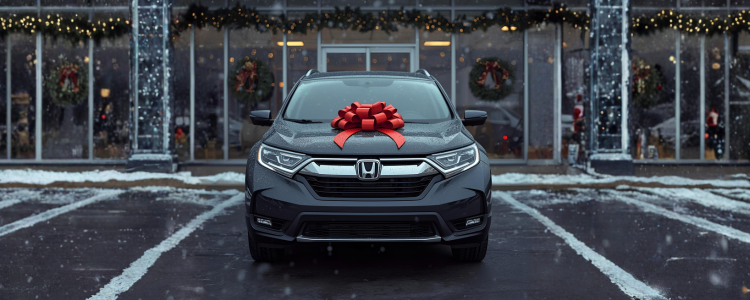
Vehicle parked at a dealership with a holiday bow on the hood and Christmas décor during winter

Should You Buy a Car Now or Wait for the New Year?

One of the most common questions car shoppers ask is whether it’s better to buy now or wait until the new year. While there’s no one-size-fits-all answer, understanding how timing affects pricing, incentives, and inventory can help you make a confident decision that fits your needs. Here’s a simple breakdown of the pros and cons of buying now versus waiting. 🚗 Reasons to Buy a Car Before the End of the Year 1. Year-End Incentives and Discounts Manufacturers often offer some of their strongest incentives at the end of the year. These may include: Special APR financing Lease offers Bonus cash or dealer incentives Dealerships may also be more motivated to move remaining inventory before year-end, which can lead to better overall value. 2. Current Model Year Pricing As new model-year vehicles arrive, outgoing models may be priced more aggressively. Buying before the new year can mean: Lower pricing on remaining inventory More room for negotiation Access to well-equipped vehicles at reduced cost 3. More Immediate Availability If you need a vehicle now, waiting may not be practical. Buying before year-end gives you: Immediate access to available inventory Fewer delays caused by ordering or allocation The ability to drive your new vehicle right away 4. Tax and Financial Planning Benefits For some buyers, purchasing before the end of the year can help with: Business vehicle deductions Budget planning Locking in interest rates before potential changes (Always consult a tax professional for personalized advice.) 📅 Reasons You Might Consider Waiting Until the New Year 1. New Model Year Releases If having the latest model year matters to you, waiting may be worthwhile. New-year models can offer: Updated features New technology Styling changes 2. Fresh Inventory Waiting can mean more selection once new shipments arrive, especially if current inventory is limited. 3. Less Time Pressure Buying later may allow you to: Take more time to research Improve your credit score Save for a larger down payment ⚖️ So… Which Option Is Right for You? Buying now may be the better choice if: You want to take advantage of year-end incentives You need a vehicle soon You prefer lower pricing on current models Waiting may make sense if: You want the newest model year You’re not in a hurry You’re planning financially for a future purchase The “best” time to buy ultimately depends on your personal priorities, not just the calendar. There’s no wrong answer — only what works best for your situation. The key is understanding your options and choosing the timing that aligns with your needs, budget, and lifestyle. If you’re unsure, speaking with a knowledgeable dealership team can help you compare what’s available now versus what’s coming next.

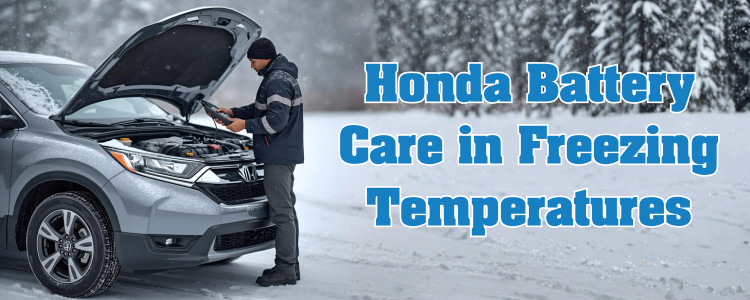
Technician testing a Honda vehicle battery outdoors in freezing winter conditions with snow on the vehicle.

Honda Battery Care in Freezing Temperatures: What Winter Drivers Need to Know

When winter temperatures drop, your vehicle’s battery works harder than at any other time of year. In Wisconsin, freezing weather can quickly expose a weak or aging battery — often at the worst possible moment. Understanding how cold affects your Honda’s battery and how to care for it can help prevent unexpected breakdowns and keep you confidently on the road all winter long. ❄️ Why Cold Weather Is Hard on Your Honda Battery Car batteries rely on chemical reactions to produce power. Cold temperatures slow those reactions, reducing the battery’s ability to deliver the energy needed to start your engine. At the same time, winter increases electrical demand. Your Honda uses more power for: Heated seats and heated steering wheel Defrosters and climate control Headlights during shorter daylight hours This combination of reduced battery power and increased demand is why battery issues are most common in winter. ⚠️ Signs Your Honda Battery Is Struggling Catching battery problems early can save you from a no-start situation. Common warning signs include: Slow or delayed engine cranking Dim headlights or interior lights Warning lights on the dashboard Electronics resetting or acting inconsistently Remote start not working as expected If your battery is more than 3–5 years old, the risk of battery failure increases significantly in freezing temperatures. 🔧 How to Protect Your Honda Battery in Winter 1. Get Your Battery Tested Battery testing is quick and can identify weakness before failure. Many Honda service departments test batteries as part of winter inspections. 2. Keep Terminals Clean Corrosion on battery terminals can restrict electrical flow. Cleaning and tightening connections helps ensure consistent starts. 3. Drive Regularly Short trips and infrequent driving don’t allow the battery to fully recharge. Longer drives help maintain a healthy charge during cold months. 4. Park Smart Whenever possible, park in a garage or sheltered area. Even slightly warmer temperatures can make a big difference in battery performance. 5. Turn Off Accessories Before Shutting Down Turning off climate control, heated seats, and headlights before turning off the engine reduces strain during your next start. 🔋 What About Hybrid and Newer Honda Batteries? Hybrid Hondas use both a high-voltage hybrid battery and a traditional 12-volt battery. While the hybrid system is well protected, the 12-volt battery is still vulnerable to cold weather. Regular battery checks are just as important for: CR-V Hybrid Accord Hybrid Civic Hybrid Cold weather affects all vehicles — even advanced hybrids. 🛠️ When Should You Replace Your Honda Battery? Most car batteries last 3 to 5 years, but harsh winters can shorten that lifespan. If your battery is nearing the end of that range, replacing it proactively can prevent being stranded in freezing temperatures. Honda Genuine batteries are designed to: Meet your vehicle’s exact power requirements Perform reliably in cold weather Support modern vehicle electronics ⭐ Winter Battery Care Matters A healthy battery is the heart of your Honda’s electrical system — especially in winter. With freezing temperatures, increased electrical use, and reduced charging efficiency, battery care becomes critical. A simple inspection or replacement can make the difference between a smooth winter commute and an unexpected roadside issue.