

Blog

All Honda Tips and Advice Community Maintenance New Cars Models Owner Info News Summer Road Trips Used Cars Civic Finance Accord CR-V Promotions Schlossmann Honda City Service Body Shop Greenfield Honda Dealer HR-V Odyssey Pilot Prologue Vehicle Comparisons Vehicle Safety
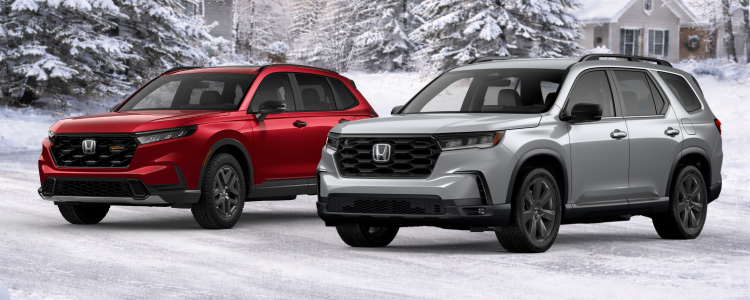
Honda CR-V and Honda Pilot parked side by side, comparing two family-friendly SUVs.

Honda CR-V vs. Honda Pilot: Which Is Better for Families?

Choosing the right family vehicle isn’t just about looks — it’s about space, safety, comfort, and how well the vehicle fits into your daily routine. Two of Honda’s most popular family-friendly SUVs are the Honda CR-V and the Honda Pilot, but they’re built for slightly different needs. If you’re deciding between the two, this guide breaks down the differences in a clear, practical way to help you choose what works best for your family. 🚗 Size & Seating: How Much Space Do You Really Need? Honda CR-V The CR-V is a compact SUV with seating for up to five passengers. It’s ideal for: Small families Parents with one or two kids Drivers who want easy parking and maneuverability Despite its smaller size, the CR-V offers impressive rear-seat legroom and cargo space for its class. Honda Pilot The Pilot is a three-row midsize SUV that seats up to seven or eight passengers, depending on configuration. It’s built for: Larger families Carpooling Parents with multiple kids or teens If you regularly need a third row, the Pilot is the clear winner. 👨‍👩‍👧‍👦 Daily Family Life: School, Sports & Errands CR-V: Best for Everyday Simplicity Easy to drive and park Lower step-in height for kids Plenty of room for strollers, groceries, and backpacks Pilot: Best for Busy, On-the-Go Families Extra seating for friends and teammates More cargo space behind the second and third rows Great for road trips and weekend travel 🛡️ Safety Features: Both Are Strong Choices Both the CR-V and Pilot come standard with Honda Sensing®, which includes: Collision Mitigation Braking Adaptive Cruise Control Lane Keeping Assist Road Departure Mitigation In short: both models score high for family safety. ❄️ Winter Driving & AWD Capability For families driving in Wisconsin winters, both SUVs offer available all-wheel drive. CR-V AWD is excellent for daily commuting, snow-covered roads, and icy intersections Pilot AWD provides extra confidence when fully loaded with passengers or cargo Both handle winter well when paired with proper tires. ⛽ Fuel Economy & Budget Considerations Honda CR-V Better fuel economy Lower purchase price Hybrid option available for added savings Honda Pilot More power and towing capability Higher fuel consumption due to size Ideal if space is a priority over MPG If minimizing fuel costs matters most, the CR-V has the advantage. 🧳 Cargo Space: Strollers, Sports Gear & More CR-V: Excellent cargo space for a compact SUV, especially with the rear seats folded Pilot: Significantly more total cargo room, especially for long trips or larger families ✅ Which One Is Right for Your Family? Choose the Honda CR-V if you: Have a smaller family Want better fuel economy Prefer a compact, easy-to-drive SUV Like the idea of a hybrid option Choose the Honda Pilot if you: Need three rows of seating Have multiple kids or carpool often Take frequent road trips Want maximum space and versatility Both the Honda CR-V and Honda Pilot are excellent family vehicles — the best choice depends on how much space you truly need and how you use your vehicle day to day. If you’re unsure, seeing both in person often makes the decision much easier. 📍 Ready to Compare in Person? We’re happy to help you compare the CR-V and Pilot side by side, explore trims, and find the best fit for your family. 👉 Visit us or browse our inventory online to see what’s available now!
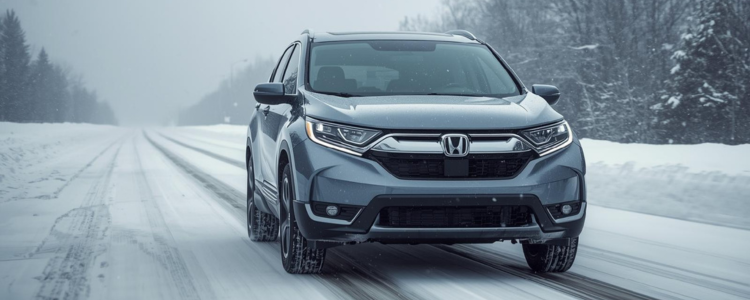
Honda SUV driving on a snowy road, demonstrating all-wheel drive traction and winter control

AWD Explained for New Owners: What It Is and How It Works

If you’re a new Honda owner or shopping for a vehicle with all-wheel drive, you may be wondering how Honda’s AWD system works — and whether it really makes a difference in winter weather. The short answer: yes, it does. Honda’s AWD system is designed to improve traction and confidence in slippery conditions without sacrificing fuel efficiency or everyday drivability. Here’s a simple breakdown of what Honda AWD is, how it works, and when it helps most. 🚗 What Is AWD? AWD stands for All-Wheel Drive, meaning power can be sent to all four wheels when needed. Honda uses an intelligent AWD system that automatically adjusts based on road conditions. Unlike systems that are always engaged, AWD is: On-demand (activates only when needed) Fully automatic Efficient for daily driving This means you don’t have to turn it on or off — the vehicle does the work for you. ❄️ How AWD Works in Slippery Conditions Honda’s AWD system continuously monitors traction. When it senses wheel slip — such as on snow, ice, rain, or gravel — it instantly sends power to the wheels with the most grip. This helps with: Accelerating on snowy or icy roads Maintaining control when turning Climbing hills or slippery inclines Driving confidently in poor weather Once traction improves, the system automatically returns to front-wheel drive to maximize fuel efficiency. 🛞 Does AWD Help You Stop Faster? This is a common misconception. AWD helps you go, not stop. While AWD improves traction during acceleration and cornering, braking still depends on your tires and road conditions. That’s why proper tires — especially winter tires — are just as important as AWD. 🌨️ Honda AWD vs. Front-Wheel Driv Front-wheel drive (FWD) works well for many drivers, but AWD provides added confidence in challenging conditions. AWD is especially helpful if you: Drive in snowy or icy conditions Live on hills or unplowed streets Travel on rural or back roads Want extra stability in rain or slush For Wisconsin drivers, AWD can make winter driving noticeably easier and less stressful. 🚙 Which Honda Models Offer AWD? Honda offers AWD on several popular models, including: CR-V HR-V Pilot Passport Ridgeline AWD availability depends on trim level, so it’s always good to confirm which configuration fits your needs. ⭐ Do You Still Need Winter Tires with AWD? Yes. AWD improves traction, but winter tires provide better grip for braking and turning in cold weather. For the best winter performance: AWD + winter tires = maximum confidence AWD + all-season tires = improved traction, but still limited in extreme conditions Honda’s AWD system is designed to make driving easier, safer, and more confident in unpredictable conditions — especially during winter. It works automatically in the background, giving you extra traction when you need it most without compromising everyday efficiency. For new owners, it’s a feature you’ll appreciate the first time roads turn slippery. 📍 Thinking About a Honda with AWD? If you’re considering a Honda with all-wheel drive, we’re happy to help you compare models, trims, and winter-ready features to find the right fit. 👉 Visit us or browse our inventory online to see what AWD options are available now!

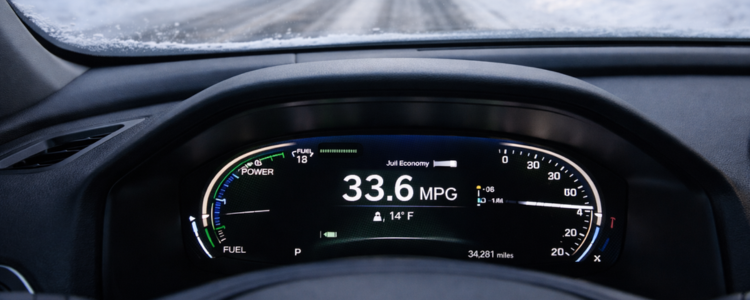
Car dashboard displaying fuel economy while driving on a snow-covered road during winter conditions.

How to Boost Fuel Economy in Cold Weather

Cold winter temperatures don’t just make driving uncomfortable — they can also reduce your vehicle’s fuel economy. Many drivers notice they’re filling up more often during winter months, even if their driving habits haven’t changed. The good news? With a few smart adjustments, you can improve your fuel efficiency and get more out of every tank during cold weather. ❄️ Why Fuel Economy Drops in Winter Fuel economy typically decreases in winter for several reasons: Cold air increases aerodynamic drag Engines take longer to warm up Winter fuel blends are less energy-dense More electrical systems are in use (heaters, defrosters, heated seats) All of this puts extra demand on your vehicle — but it doesn’t mean poor MPG is unavoidable. 🚗 Let Your Engine Warm Up… Briefly Older vehicles needed long warm-ups, but modern Hondas don’t. Best practice: Start the engine Let it idle for 30–60 seconds Begin driving gently Driving warms the engine faster and more efficiently than extended idling. 🛞 Keep Tires Properly Inflated Cold temperatures lower tire pressure. Under-inflated tires increase rolling resistance, which hurts fuel economy. Tip: Check tire pressure at least once a month in winter and keep it at the manufacturer-recommended level. 🧼 Clear Snow & Ice Before Driving Extra snow and ice add weight and drag. Removing snow from: Roof Hood Windows can noticeably improve fuel efficiency and safety. ⛽ Drive Smoothly in Slippery Conditions Aggressive driving wastes fuel and reduces traction. To save fuel: Accelerate gently Maintain steady speeds Anticipate stops early Smooth driving improves MPG and winter safety. 🌡️ Use Heating Features Wisely Heaters, defrosters, and heated seats increase fuel usage — especially in short trips. Fuel-saving tips: Use heated seats instead of blasting cabin heat Turn off defrosters once windows are clear Avoid unnecessary electrical use 🔧 Stay on Top of Winter Maintenance A well-maintained vehicle runs more efficiently. Winter maintenance to prioritize: Engine oil changes Air filter replacement Battery health checks Proper alignment 🚙 Short Trips Hurt Fuel Economy Short winter trips are especially hard on MPG because engines rarely reach optimal temperature. How to help: Combine errands into one trip Avoid multiple cold starts when possible Winter fuel economy drops are common — but not unavoidable. Small habits like proper tire pressure, gentle driving, and minimizing idling can add up to meaningful savings over the season. If you want your vehicle running efficiently all winter long, regular maintenance and smart driving habits make all the difference. 📍 Need Help Improving Winter MPG? Our service team can help check tire pressure, battery health, and winter maintenance items to keep your vehicle running efficiently in cold weather. 👉 Schedule your winter service today!

Honda Accord Hybrid Winter Performance: What Drivers Should Expect

Honda Accord Hybrid Winter Performance: What Drivers Should Expect

When winter hits in Wisconsin, many drivers wonder if a hybrid vehicle can truly handle cold temperatures, snow, and icy roads. The Honda Accord Hybrid is known for its efficiency and smooth ride — but how does it perform when temperatures drop? Here’s a clear breakdown of what drivers can realistically expect from the Honda Accord Hybrid during winter driving. ❄️ How Cold Weather Affects the Honda Accord Hybrid Cold temperatures impact all vehicles — including hybrids. In winter, drivers may notice: Slightly lower fuel economy Longer warm-up times Increased energy use from heating systems This is normal and expected. Honda designs the Accord Hybrid to adapt automatically to cold conditions without requiring driver input. 🔋 Hybrid Battery Performance in Winter The Accord Hybrid uses two batteries: A high-voltage hybrid battery for propulsion A 12-volt battery for vehicle electronics What drivers should know: The hybrid battery is insulated and protected from extreme cold Performance remains reliable even in freezing temperatures The 12-volt battery is more sensitive to cold (just like gas vehicles) Routine battery checks are recommended in winter — especially if the vehicle is parked outdoors. ⛽ Fuel Economy: What to Expect in Cold Weather Winter driving usually results in lower MPG, especially for hybrids. Reasons include: Cold air increasing drag Shorter trips preventing optimal warm-up Increased use of cabin heat and defrosters Even with a winter MPG drop, the Accord Hybrid still delivers excellent fuel efficiency compared to traditional gas sedans, making it a smart choice for daily commuters. 🛞 Traction, Handling & Winter Driving Confidence While the Accord Hybrid is front-wheel drive, it performs well in winter conditions when properly equipped. Winter performance is strongest when: Quality all-season or winter tires are installed Traction control systems are enabled Drivers maintain smooth throttle input Honda’s stability control and traction management systems help maintain control on slippery roads, snow-covered streets, and icy intersections. 🌡️ Heating, Comfort & Winter Features Cold-weather comfort is where the Accord Hybrid really shines. Available winter-friendly features include: Heated front seats Heated steering wheel (Touring trims) Dual-zone climate control Remote start (on select trims) These features help reduce cold starts and improve overall winter driving comfort. 🚗 Is the Honda Accord Hybrid a Good Choice for Winter? Yes — especially for drivers who: Commute daily Want strong fuel efficiency year-round Prefer a smooth, quiet ride Don’t require AWD but still want winter reliability With proper tires and regular maintenance, the Accord Hybrid handles winter confidently while offering better efficiency than many gas-powered sedans. ⭐ Final Thoughts The Honda Accord Hybrid proves that hybrids aren’t just for warm climates. It delivers dependable winter performance, excellent fuel economy, and modern comfort features that make cold-weather driving easier and more enjoyable. For Wisconsin drivers who want efficiency without sacrificing winter confidence, the Accord Hybrid remains a strong option. 📍 Interested in Driving the Accord Hybrid This Winter? If you’re considering a Honda Accord Hybrid, we’re happy to help you explore trims, winter features, and current availability. 👉 Visit us or browse our inventory online to see what’s available now!
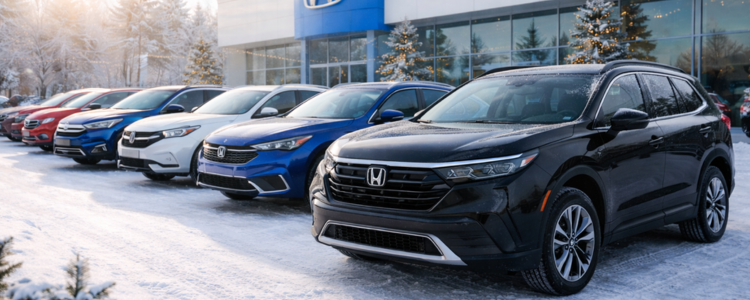
Honda vehicles parked at a dealership in winter, representing the best models to consider in the new year.

Best Honda Vehicles to Consider in 2026

A new year is the perfect time for a fresh start — and for many drivers, that means upgrading their vehicle. Whether you’re looking for something fuel-efficient, family-friendly, ready for winter, or packed with the latest technology, Honda has a model that fits your lifestyle. To help make your decision easier, here are the best Honda models to consider in the new year — along with what makes each one a smart choice for Wisconsin drivers. 🚗 Best All-Around SUV: Honda CR-V The Honda CR-V continues to be one of the most popular compact SUVs year after year — and for good reason. It offers the best mix of comfort, reliability, interior space, and modern features. Why drivers love it: Great balance of size and practicality Available AWD for winter conditions Excellent fuel economy (especially the hybrid) Spacious cabin and cargo room Best for: commuters, small families, and anyone who wants a dependable SUV that does everything well. 🌿 Best Fuel-Efficient Option: Honda CR-V Hybrid / Accord Hybrid If saving money at the pump is a priority, Honda’s hybrid lineup continues to shine. CR-V Hybrid: A favorite for people who want an SUV feel with excellent mileage and smooth driving. Accord Hybrid: A great option for commuters who want a quiet, comfortable ride with outstanding efficiency. Best for: long-distance commuters, budget-conscious drivers, and people ready to go hybrid. 👨‍👩‍👧‍👦 Best Family SUV: Honda Pilot For families who need more room, the Honda Pilot is a strong choice. It offers three rows of seating, modern safety tech, and the space needed for everything from school drop-offs to weekend getaways. Why it’s a family favorite: Seating for up to 8 passengers Room for cargo and sports equipment Strong winter-ready performance with AWD Honda Sensing® safety features included Best for: growing families, carpools, and drivers who want space without feeling like they’re driving a huge vehicle. 🚙 Best Adventure Vehicle: Honda Passport If you want something rugged and ready for Wisconsin winters without needing a third row, the Honda Passport is a great option. Highlights: Powerful V6 engine Available AWD capability Great ground clearance Sporty, outdoors-ready feel Best for: drivers who love weekend trips, outdoor activities, and want an SUV with extra strength and confidence. 🚘 Best Sedan for Value & Reliability: Honda Civic The Honda Civic continues to be one of the most reliable and practical vehicles in its class. It’s affordable, stylish, and has the modern tech drivers want. Why it’s a great new-year pick: Excellent MPG Easy to drive and park Available safety features and modern design Great long-term value Best for: first-time buyers, students, commuters, or anyone looking for a dependable car with strong resale value. 💼 Best for Comfort & Commuting: Honda Accord If you want a sedan with more space, power, and premium feel, the Honda Accord is the answer. It’s one of Honda’s most refined and comfortable vehicles. Why buyers love it: Smooth, quiet ride Great interior room Excellent technology features Hybrid options for added savings Best for: professionals, daily commuters, and anyone who wants comfort without stepping up to an SUV. 🛻 Best Honda Truck: Honda Ridgeline Need a truck that drives like an SUV but still gives you real truck capability? The Honda Ridgeline is a unique option — and a perfect year-round vehicle. Best reasons to choose it: Comfortable ride compared to traditional trucks Great for winter driving Useful bed storage and versatility Easy daily drivability Best for: homeowners, weekend warriors, and drivers who want truck utility without sacrificing comfort. ✅ So… Which Honda Is Best for You This Year? The best Honda to choose depends on what you need most: Best SUV all-around: CR-V Best fuel-saver: CR-V Hybrid or Accord Hybrid Best family SUV: Pilot Best adventure SUV: Passport Best value car: Civic Best commuter sedan: Accord Best truck option: Ridgeline No matter which model you choose, Honda vehicles are known for long-term reliability, great safety, and strong resale value — which makes them a smart investment year after year. 📍 Ready to Find Your Honda for the New Year? If you’re considering a Honda this year, we’re happy to help you compare trims, explore winter-ready features, and find the perfect match for your budget and lifestyle. 👉 Visit us today or browse our inventory online to see what’s available now!
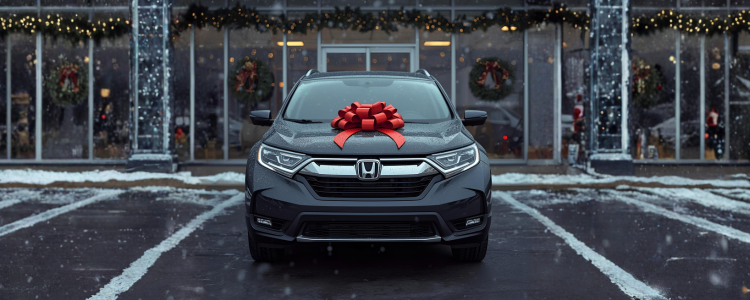
Vehicle parked at a dealership with a holiday bow on the hood and Christmas décor during winter

Should You Buy a Car Now or Wait for the New Year?

One of the most common questions car shoppers ask is whether it’s better to buy now or wait until the new year. While there’s no one-size-fits-all answer, understanding how timing affects pricing, incentives, and inventory can help you make a confident decision that fits your needs. Here’s a simple breakdown of the pros and cons of buying now versus waiting. 🚗 Reasons to Buy a Car Before the End of the Year 1. Year-End Incentives and Discounts Manufacturers often offer some of their strongest incentives at the end of the year. These may include: Special APR financing Lease offers Bonus cash or dealer incentives Dealerships may also be more motivated to move remaining inventory before year-end, which can lead to better overall value. 2. Current Model Year Pricing As new model-year vehicles arrive, outgoing models may be priced more aggressively. Buying before the new year can mean: Lower pricing on remaining inventory More room for negotiation Access to well-equipped vehicles at reduced cost 3. More Immediate Availability If you need a vehicle now, waiting may not be practical. Buying before year-end gives you: Immediate access to available inventory Fewer delays caused by ordering or allocation The ability to drive your new vehicle right away 4. Tax and Financial Planning Benefits For some buyers, purchasing before the end of the year can help with: Business vehicle deductions Budget planning Locking in interest rates before potential changes (Always consult a tax professional for personalized advice.) 📅 Reasons You Might Consider Waiting Until the New Year 1. New Model Year Releases If having the latest model year matters to you, waiting may be worthwhile. New-year models can offer: Updated features New technology Styling changes 2. Fresh Inventory Waiting can mean more selection once new shipments arrive, especially if current inventory is limited. 3. Less Time Pressure Buying later may allow you to: Take more time to research Improve your credit score Save for a larger down payment ⚖️ So… Which Option Is Right for You? Buying now may be the better choice if: You want to take advantage of year-end incentives You need a vehicle soon You prefer lower pricing on current models Waiting may make sense if: You want the newest model year You’re not in a hurry You’re planning financially for a future purchase The “best” time to buy ultimately depends on your personal priorities, not just the calendar. There’s no wrong answer — only what works best for your situation. The key is understanding your options and choosing the timing that aligns with your needs, budget, and lifestyle. If you’re unsure, speaking with a knowledgeable dealership team can help you compare what’s available now versus what’s coming next.

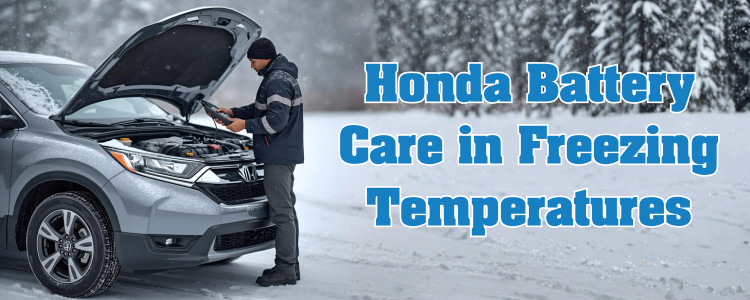
Technician testing a Honda vehicle battery outdoors in freezing winter conditions with snow on the vehicle.

Honda Battery Care in Freezing Temperatures: What Winter Drivers Need to Know

When winter temperatures drop, your vehicle’s battery works harder than at any other time of year. In Wisconsin, freezing weather can quickly expose a weak or aging battery — often at the worst possible moment. Understanding how cold affects your Honda’s battery and how to care for it can help prevent unexpected breakdowns and keep you confidently on the road all winter long. ❄️ Why Cold Weather Is Hard on Your Honda Battery Car batteries rely on chemical reactions to produce power. Cold temperatures slow those reactions, reducing the battery’s ability to deliver the energy needed to start your engine. At the same time, winter increases electrical demand. Your Honda uses more power for: Heated seats and heated steering wheel Defrosters and climate control Headlights during shorter daylight hours This combination of reduced battery power and increased demand is why battery issues are most common in winter. ⚠️ Signs Your Honda Battery Is Struggling Catching battery problems early can save you from a no-start situation. Common warning signs include: Slow or delayed engine cranking Dim headlights or interior lights Warning lights on the dashboard Electronics resetting or acting inconsistently Remote start not working as expected If your battery is more than 3–5 years old, the risk of battery failure increases significantly in freezing temperatures. 🔧 How to Protect Your Honda Battery in Winter 1. Get Your Battery Tested Battery testing is quick and can identify weakness before failure. Many Honda service departments test batteries as part of winter inspections. 2. Keep Terminals Clean Corrosion on battery terminals can restrict electrical flow. Cleaning and tightening connections helps ensure consistent starts. 3. Drive Regularly Short trips and infrequent driving don’t allow the battery to fully recharge. Longer drives help maintain a healthy charge during cold months. 4. Park Smart Whenever possible, park in a garage or sheltered area. Even slightly warmer temperatures can make a big difference in battery performance. 5. Turn Off Accessories Before Shutting Down Turning off climate control, heated seats, and headlights before turning off the engine reduces strain during your next start. 🔋 What About Hybrid and Newer Honda Batteries? Hybrid Hondas use both a high-voltage hybrid battery and a traditional 12-volt battery. While the hybrid system is well protected, the 12-volt battery is still vulnerable to cold weather. Regular battery checks are just as important for: CR-V Hybrid Accord Hybrid Civic Hybrid Cold weather affects all vehicles — even advanced hybrids. 🛠️ When Should You Replace Your Honda Battery? Most car batteries last 3 to 5 years, but harsh winters can shorten that lifespan. If your battery is nearing the end of that range, replacing it proactively can prevent being stranded in freezing temperatures. Honda Genuine batteries are designed to: Meet your vehicle’s exact power requirements Perform reliably in cold weather Support modern vehicle electronics ⭐ Winter Battery Care Matters A healthy battery is the heart of your Honda’s electrical system — especially in winter. With freezing temperatures, increased electrical use, and reduced charging efficiency, battery care becomes critical. A simple inspection or replacement can make the difference between a smooth winter commute and an unexpected roadside issue.

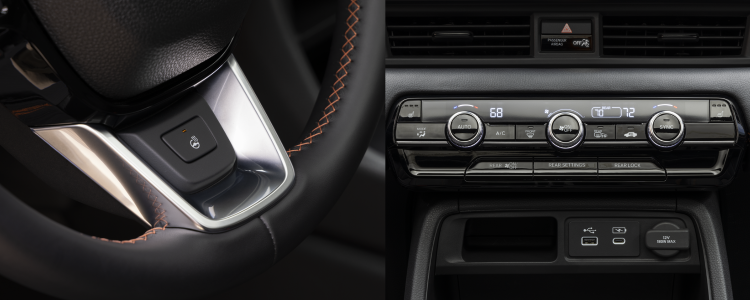
Interior view of a Honda showing the heated steering wheel button illuminated near the steering column, with the climate control panel above also displaying heated seat controls.

Honda Heated Features Explained (Seats, Steering, Remote Start)

Wisconsin drivers know that cold weather comfort is more than luxury — it’s a necessity. Honda’s heated seats, heated steering wheel, and remote start system make winter commuting warmer, safer, and more enjoyable. Below, we break down how each feature works and which model years include them. Which Honda Models Come With Heated Seats, Heated Steering Wheel, and Remote Start? 📊 If you're shopping for a Honda with winter-friendly features, here’s a simple breakdown of which models and years include heated seats, a heated steering wheel, and remote start. Availability can vary by trim level, but this guide covers what most customers can expect when comparing models. Honda CR-V (2017–2024) Starting in 2017, the CR-V began offering a heated steering wheel on EX-L, Touring, and Sport Touring trims. Heated seats and remote start are widely available on EX trims and above, making the CR-V one of the most winter-ready SUVs in Honda’s lineup. Honda CR-V (2025–2026) Newer CR-V models offer heated seats on most trims, while the heated steering wheel and remote start are included on mid and upper trims. These models also introduce Snow Mode and enhanced winter driving packages. Honda Pilot (2016–2024) Heated seats and remote start are included on EX-L trims and above. The heated steering wheel is available on Elite and Black Edition models, and became more available following the 2023 redesign. Honda Passport (2019–2024) The Passport comes well-equipped for winter. EX-L and higher trims offer heated seats, remote start, and access to heated steering wheel options on upper trims. Honda Accord (2018–2024) Heated seats are featured on Sport, EX-L, and Touring trims. The heated steering wheel is exclusive to Touring models. Remote start is standard on EX trims and higher. Hybrid trims also include heated seats. Honda Civic (2016–2024) Civic EX and higher trims typically include heated seats and remote start. The heated steering wheel is limited, usually available only on Touring models. Availability varies slightly between sedan, hatchback, and hybrid versions. Honda HR-V (2016–2024) Heated seats and remote start are available on EX and above. Most HR-V model years do not include a heated steering wheel. Honda Ridgeline (2017–2024) The Ridgeline offers heated seats and remote start on RTL trims and higher. The heated steering wheel is found on RTL-E and Black Edition models, making it a strong performer for winter travel and towing. Honda Odyssey (2018–2024) Family-friendly and winter-ready, the Odyssey includes heated seats and remote start on EX trims and above. Touring and Elite trims add a heated steering wheel for extra comfort. Honda Insight (2019–2022) Most Insight models include heated seats, while the Touring trim adds a heated steering wheel. Remote start is typically included as well. Honda Clarity (2017–2021) Heated seats are standard on most Clarity models, and upper trims offer a heated steering wheel. Some trims also include remote start, depending on configuration. Feature Breakdown: What They Do & Why They Matter 🔥 Heated Seats Heated seats warm the seat cushion and backrest using electric elements. Benefits: Instant warmth on cold mornings Reduces stiffness and improves comfort Saves fuel by letting you run cabin heat lower Rear heated seats available on CR-V, Pilot, Passport, and Accord higher trims Heated Steering Wheel A heated steering wheel warms the leather where your hands naturally rest. Benefits: No more freezing hands Better grip and driving control Included in: CR-V (2017+), Pilot, Passport, Accord Touring, Ridgeline RTL-E+ Remote Start (Key Fob or HondaLink®) Remote start warms the cabin, activates heated features, and defrosts windows before you enter the vehicle. Benefits: Clears ice and frost automatically Preheats the cabin for comfortable entry Helps keep windows defogged Available on most models EX trim and above Why These Features Matter in Wisconsin ⭐ Honda heated features make winter driving safer by improving visibility, comfort, and vehicle control. Drivers who commute early or park outdoors benefit the most.

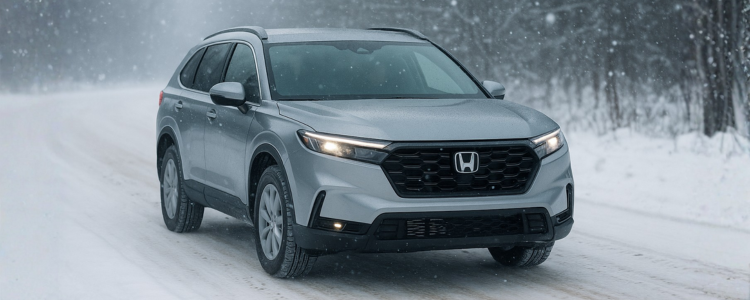
A silver Honda CR-V driving on a snow-covered road during active snowfall, showcasing its winter handling and all-wheel drive capability

How the Honda CR-V Performs in Snow & Ice: Winter Driving Guide for Wisconsin

❄️ Why the Honda CR-V Is Built for Winter Wisconsin winters are no joke — between heavy snowfall, black ice, and freezing winds, drivers need a vehicle they can trust. The Honda CR-V has long been a top choice for cold-weather driving thanks to its intelligent AWD system, strong ground clearance, and advanced safety technology. Whether you're commuting to work, dropping kids off at school, or navigating icy neighborhood streets, the CR-V offers confidence and stability when the weather turns rough. 🔧 Real Time AWD™: The Key to CR-V’s Winter Confidence Honda’s Real Time AWD™ system automatically sends power to the wheels with the most traction. Here’s how that helps on slippery winter roads: ✔ Automatic torque distribution When the system senses slippage — like when accelerating on ice or climbing a snowy hill — it instantly adjusts power to improve grip. ✔ Smooth engagement Unlike older AWD systems, Honda’s reacts proactively, preventing wheel spin before it happens. ✔ Better cornering on snow Torque shifts between front and rear wheels help the CR-V stay planted during turns on icy roads. This results in a stable, predictable driving experience that gives drivers confidence even during heavy snowfall. 🛣️ Snow Mode (Available on Newer CR-V Models) Newer CR-V models include drive modes, and Snow Mode is a game changer. It: Softens throttle response Improves traction control sensitivity Prevents aggressive wheel spin Helps maintain stability on slick surfaces This mode is especially useful when starting from a stop on an icy street or driving through packed snow. 🚗 Ground Clearance Designed for Winter Roads The CR-V offers up to 8.2 inches of ground clearance, allowing it to: Avoid getting stuck in deeper snow Clear uneven icy road buildup Navigate plow ridges at the end of driveways This is a huge advantage compared to sedans or compact cars. 🛡️ Honda Sensing®: Extra Confidence When Visibility Is Low Winter doesn’t just affect traction — it affects visibility. Honda Sensing®, standard on most CR-V models, helps drivers stay safe with features like: ✔ Collision Mitigation Braking System™ Helps avoid rear-end collisions in slushy, icy stop-and-go traffic. ✔ Road Departure Mitigation Useful when roads are narrow, snow-covered, or hard to see. ✔ Lane Keeping Assist Gives gentle steering support — especially helpful when lane paint is hidden under snow. ✔ Adaptive Cruise Control Keeps safe following distance when winter traffic slows down. These features don’t replace careful driving, but they make navigating poor conditions much less stressful. 🛞 Winter Tires Make a Big Difference While the CR-V performs strong with all-season tires, winter tires dramatically improve: Braking distance Grip on ice Traction in deep snow Steering control If you live in Milwaukee or anywhere northern Wisconsin, winter tires are worth considering every season. 🧊 Real-World Winter Driving Feedback Drivers consistently praise the CR-V for: Confident highway driving in snow Surefooted acceleration from icy intersections Stable handling in slush Reliable braking performance Many owners say the CR-V gives them “peace of mind” during unpredictable Midwest winter storms. ⭐ The Honda CR-V Is a Strong Winter Performer With its AWD system, high ground clearance, Snow Mode, and Honda Sensing® safety features, the CR-V handles snow and ice exceptionally well. It’s a reliable choice for Wisconsin drivers who need a capable compact SUV all year long — especially in harsh winter conditions.

suv vs sedan blog banner

🚘 SUVs vs. Sedans: What’s Best for Summer Adventures?

When summer hits Wisconsin, the open road becomes your playground. Whether you're heading up north for a cabin weekend, exploring Door County, or planning a road trip out of state, your choice of vehicle can make a big difference. So what should you go for — an SUV or a sedan? Let’s break down the pros and cons, and showcase the best Honda models for summer 2025. 🚙 Why Choose a Honda SUV for Summer? 1. Ample Room for Gear and People Honda SUVs are built to haul everything from tents and grills to kayaks and beach bags. With split-folding rear seats, deep cargo areas, and available roof rails, space is never an issue. 2. Confident Capability Need something that can handle gravel roads, sudden storms, or twisty highways? Many Honda SUVs come with available Real Time AWD, perfect for Wisconsin’s unpredictable terrain. 3. Adventure-Ready Tech From Apple CarPlay® and Android Auto™ to Honda Sensing® safety features, Honda SUVs keep you connected and protected — even on the most remote trails. Top Honda SUVs for Summer Adventures: 🛶 2025 Honda CR-V The ultimate balance of fuel efficiency and cargo space. Hybrid option available for extra MPG. 🎒 2026 Honda Passport Rugged looks and V6 power make it a standout for active families and off-the-grid weekends. 🏕 2025 Honda Pilot Spacious three-row seating, tons of cargo room, and family-first features like CabinTalk® and wireless charging. 🚗 Why Choose a Honda Sedan This Summer? 1. Better Fuel Economy If your summer includes lots of highway driving, Honda sedans are hard to beat at the pump. They’re also hybrid-friendly for the eco-conscious road tripper. 2. Smooth, Comfortable Ride Honda sedans offer a quiet, refined ride — perfect for long distances, coastal cruising, or downtown drives. 3. Easy to Maneuver Sedans are ideal for navigating tight parking spots at beach towns, concerts, or city festivals. Top Honda Sedans for Summer Cruising: 🌅 2025 Honda Accord Sleek, powerful, and tech-loaded. Available as a hybrid with over 45 MPG combined. Perfect for summer getaways. 🌼 2025 Honda Civic Compact and efficient, yet packed with personality and performance. Available in sedan or hatchback. 🌿 2025 Honda Insight (if available) An elegant hybrid sedan for the eco-minded driver with exceptional fuel economy and premium feel. 🧭 What’s Best for You? If You’re Planning... Go With... Family road trips, hauling outdoor gear Honda SUV Fuel-efficient commutes, weekend drives Honda Sedan A little of both? Try the Honda HR-V — a sporty crossover with sedan-like efficiency and SUV utility. 🚗 Shop Summer-Ready Hondas at Schlossmann Honda City We’ve got your summer covered with the latest 2025/2026 Honda models in stock. Whether you need space, efficiency, or something in between, we’ll help you find the perfect match for your warm-weather plans.

Tailgating blog banner

🎉 How to Turn Your Honda Into the Ultimate Summer Tailgating Machine

Whether you're heading to a Brewers game, a summer concert at Alpine Valley, or a backyard-style picnic at the park, tailgating is a summer tradition — and your Honda is more than ready to play a starring role. From SUVs to sedans, with a few simple upgrades and smart packing, your Honda can become the ultimate tailgating machine. Here's how to gear up and get rolling this summer. 🚗 Best Honda Models for Tailgating Before we dig into the tips, here are a few Honda vehicles perfectly suited for summer tailgating: 🛻 2025 Honda Pilot Three-row space, a power tailgate, and available hands-free access make this SUV a party on wheels. 🚙 2025 Honda CR-V Compact but mighty — with great cargo space, hybrid efficiency, and an available power outlet. 🎵 2025 Honda Ridgeline The ultimate tailgating truck, with an in-bed trunk and truck-bed audio system to turn heads at every lot. 🧊 2025 Honda Odyssey (yes, the minivan!) Built-in entertainment, cabin space galore, and clever seat stowage make this a secret MVP for any outdoor gathering. 🧰 Essentials for Tailgating Like a Pro 1. Cargo Organization Collapsible bins and trunk organizers help keep food, games, and gear tidy. Use the hidden storage areas in your CR-V, Pilot, or Odyssey to stow essentials like sunscreen and bug spray. 2. Power Up Make use of your vehicle's power outlets to run small speakers, fans, or even a portable blender. Consider a portable power station if you're using a lot of electronics or lighting. 3. Comfort Upgrades Keep folding chairs, a small canopy, and clip-on fans in your cargo area for on-the-fly setup. A cargo mat or trunk liner (available at Schlossmann Honda City!) protects your interior from spills and grass. 4. Chill Out — Literally Invest in a soft-sided cooler that fits snugly in your trunk or under a rear seat. The Ridgeline’s in-bed trunk doubles as a cooler — just fill it with ice and you’re good to go. 5. Entertainment On the Go Use Bluetooth® audio and available HondaLink® for your favorite playlists or sports radio. Don’t forget cornhole boards, frisbees, or a football for some old-school parking lot fun. 🧽 Post-Tailgate Clean-Up Tips Keep microfiber towels and a small trash bag in your car for quick cleanups. Use your Honda’s rear seatback protectors (or grab some from our parts department) to avoid grass stains and sticky spills. Consider a Honda vacuum accessory or make a pit stop at Schlossmann Honda City car wash to refresh your ride. 🎯 Make This Summer Legendary No matter where you're parked — stadium lots, lakeside spots, or campground clearings — your Honda is ready to be the center of the party. Want to upgrade your setup? Talk to our team about tailgate-friendly accessories like: All-season cargo trays Roof boxes Hitch-mounted grills and bike racks Custom audio upgrades 🏁 Get Tailgate-Ready at Schlossmann Honda City From the Ridgeline’s built-in coolers to the Odyssey’s mobile lounge capabilities, there’s a Honda for every type of tailgater. Visit us today to test drive your next summer MVP — and grab some genuine Honda gear while you’re at it. 👉 Let the good times roll. Schedule your Honda test drive now.

Trade In blog banner

🔁 Trade In and Trade Up: Get Summer Value for Your Old Ride

Is your car starting to feel a little… outdated? Maybe you’re tired of the repairs, or maybe you’re just ready for something with more tech, more comfort, and better fuel efficiency. Whatever the reason, summer is one of the best times to trade in and trade up to something new — and this July, your current vehicle may be worth more than you think. 📈 Why Trade-In Values Are Hot in Summer The summer months, especially July, tend to see strong demand for used vehicles. Families are shopping for reliable cars before school starts, road trippers are upgrading for summer vacations, and dealerships are preparing for the next model year. That means trade-in values can peak, especially for: Clean, well-maintained vehicles Low to mid-mileage models In-demand SUVs, trucks, and hybrids 🛻 Got an SUV or pickup? Your trade-in could be worth a premium right now! 🚗 What Does “Trade In and Trade Up” Mean? At its core, it’s simple: you bring in your current vehicle, we appraise it, and the value goes directly toward the purchase or lease of your next vehicle. This can: Lower your monthly payments Reduce your sales tax liability Increase your down payment power Simplify the process vs. selling your car privately Even if you still owe money on your current loan, many customers are surprised to find they have positive equity — which can be applied toward a newer ride. 🛠️ How to Maximize Your Trade-In Offer To get top dollar for your vehicle: Clean it inside and out — presentation matters. Fix minor issues — like replacing worn wiper blades or topping off fluids. Bring service records — they show the car’s been cared for. Know your car’s value — use tools like Kelley Blue Book or Edmunds before visiting. Time it right — summer trade-in values often drop as fall inventory rolls in. 💡 Tip: If your car’s lease is ending soon, don’t wait — you may be able to trade out early and still earn equity! 💬 Thinking of Trading? Let’s Talk! At Schlossmann Honda City, we make the process transparent, fast, and fair. We’ll give you a no-obligation trade-in appraisal — and if you’re ready to upgrade, our summer sales incentives and flexible financing make now a perfect time to drive off in something better. 🚘 Ready to trade in and trade up? Visit us in-store or schedule your trade-in appraisal online today!

Contact Us

Fill out this form below and we'll contact you shortly
*Required Fields