


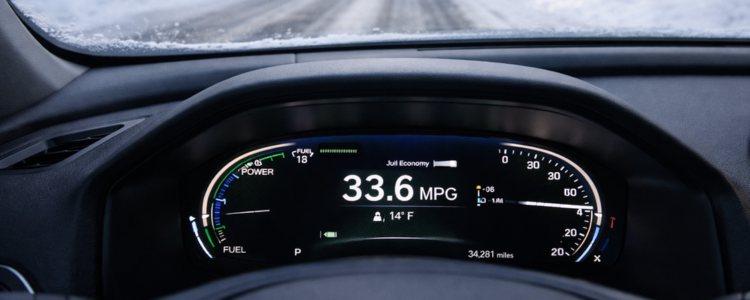
Cold winter temperatures don’t just make driving uncomfortable — they can also reduce your vehicle’s fuel economy. Many drivers notice they’re filling up more often during winter months, even if their driving habits haven’t changed.
The good news? With a few smart adjustments, you can improve your fuel efficiency and get more out of every tank during cold weather.
❄️ Why Fuel Economy Drops in Winter
Fuel economy typically decreases in winter for several reasons:
- Cold air increases aerodynamic drag
- Engines take longer to warm up
- Winter fuel blends are less energy-dense
- More electrical systems are in use (heaters, defrosters, heated seats)
All of this puts extra demand on your vehicle — but it doesn’t mean poor MPG is unavoidable.
🚗 Let Your Engine Warm Up… Briefly
Older vehicles needed long warm-ups, but modern Hondas don’t.
Best practice:
- Start the engine
- Let it idle for 30–60 seconds
- Begin driving gently
Driving warms the engine faster and more efficiently than extended idling.
🛞 Keep Tires Properly Inflated
Cold temperatures lower tire pressure. Under-inflated tires increase rolling resistance, which hurts fuel economy.
Tip:
Check tire pressure at least once a month in winter and keep it at the manufacturer-recommended level.
🧼 Clear Snow & Ice Before Driving
Extra snow and ice add weight and drag.
Removing snow from:
- Roof
- Hood
- Windows
can noticeably improve fuel efficiency and safety.
⛽ Drive Smoothly in Slippery Conditions
Aggressive driving wastes fuel and reduces traction.
To save fuel:
- Accelerate gently
- Maintain steady speeds
- Anticipate stops early
Smooth driving improves MPG and winter safety.
🌡️ Use Heating Features Wisely
Heaters, defrosters, and heated seats increase fuel usage — especially in short trips.
Fuel-saving tips:
- Use heated seats instead of blasting cabin heat
- Turn off defrosters once windows are clear
- Avoid unnecessary electrical use
🔧 Stay on Top of Winter Maintenance
A well-maintained vehicle runs more efficiently.
Winter maintenance to prioritize:
- Engine oil changes
- Air filter replacement
- Battery health checks
- Proper alignment
🚙 Short Trips Hurt Fuel Economy
Short winter trips are especially hard on MPG because engines rarely reach optimal temperature.
How to help:
- Combine errands into one trip
- Avoid multiple cold starts when possible
Winter fuel economy drops are common — but not unavoidable. Small habits like proper tire pressure, gentle driving, and minimizing idling can add up to meaningful savings over the season.
If you want your vehicle running efficiently all winter long, regular maintenance and smart driving habits make all the difference.
📍 Need Help Improving Winter MPG?
Our service team can help check tire pressure, battery health, and winter maintenance items to keep your vehicle running efficiently in cold weather.
👉 Schedule your winter service today!
Connect with us


- July 2026
- June 2026
- May 2026
- February 2026
- January 2026
- December 2025
- July 2025
- June 2025
- May 2025
- April 2025
- March 2025
- February 2025
- January 2025
- December 2024
- October 2023
- September 2023
- August 2023
- July 2023
- June 2023
- May 2023
- March 2023
- February 2023
- January 2023
- December 2022
- November 2022
- October 2022
- September 2022
- August 2022
- July 2022
- June 2022
- April 2017
- March 2017
- January 2017
- December 2016
- November 2016
- October 2016
- September 2016
- July 2016
- January 2016
- December 2015
- November 2015