

Blog / Honda

Blog

All Honda Tips and Advice Community Maintenance New Cars Models Owner Info News Summer Road Trips Used Cars Civic Finance Accord CR-V Promotions Schlossmann Honda City Service Body Shop Greenfield Honda Dealer HR-V Odyssey Pilot Prologue Vehicle Comparisons Vehicle Safety
protect car from spring pollen blog banner

How to Protect Your Car from Spring Pollen & Allergies

Spring is a beautiful time of year, but for many people, it also brings a major downside— pollen and seasonal allergies. If you’ve ever noticed a yellowish-green layer of dust covering your car in spring, you’re not alone! Pollen buildup isn’t just annoying—it can damage your car’s paint, clog air filters, and even trigger allergies while you drive. To help you and your vehicle stay pollen-free, here are some essential tips to protect your car from spring pollen and allergies. 1. Wash Your Car Regularly Pollen can stick to your car’s paint and cause long-term damage, especially when mixed with rain. The tiny particles contain acidic properties that can lead to staining, scratches, and corrosion over time. How to Prevent Pollen Damage: ✔ Wash your car at least once a week during peak pollen season. ✔ Use a high-quality car shampoo to lift pollen without scratching the paint. ✔ Rinse with a hose or pressure washer to remove pollen before scrubbing. ✔ Dry with a microfiber towel to prevent water spots. 💡 Pro Tip: If you park outside, consider rinsing your car every few days to remove pollen buildup between full washes. 2. Apply a Protective Wax or Sealant A layer of wax or sealant acts as a barrier between pollen and your car’s paint, making it easier to rinse off. How to Protect Your Car’s Paint: ✔ Apply a car wax or ceramic coating in early spring to repel pollen. ✔ Use a spray wax after each wash to maintain protection. ✔ Consider a ceramic sealant for long-lasting defense against pollen and UV rays. 💡 Bonus Tip: A spray detailer can help remove light pollen between washes without scratching your car’s surface. 3. Keep Your Car’s Cabin Clean Pollen doesn’t just stay outside— it can find its way into your car’s interior, making your allergies worse. How to Keep Your Car Allergy-Free: ✔ Vacuum your seats, floor mats, and dashboard regularly to remove pollen and dust. ✔ Use a microfiber cloth to wipe down surfaces—avoid dry dusting, which can spread pollen particles. ✔ Clean your vents with compressed air or a vent brush to remove hidden pollen buildup. 💡 Bonus Tip: A steering wheel cover can prevent pollen buildup on your hands and can be easily washed. 4. Replace Your Cabin Air Filter Your car’s cabin air filter is responsible for filtering out pollen, dust, and allergens before they enter your car’s ventilation system. A clogged filter can make allergies worse and reduce airflow. When to Replace Your Cabin Air Filter: ✔ At least once a year, or every 12,000-15,000 miles. ✔ More frequently if you live in an area with heavy pollen. ✔ If you notice reduced airflow or a musty smell when using your AC. 💡 Pro Tip: Consider upgrading to a HEPA or activated carbon cabin filter to trap more allergens. 5. Use the Right Air Conditioning Settings Running your AC the right way can help filter out pollen and keep your cabin air clean. How to Reduce Pollen Inside Your Car: ✔ Use "Recirculate" Mode – This prevents pollen-filled outside air from entering your car. ✔ Turn on the AC Before Driving – Let the filter catch pollen before you start driving. ✔ Close Windows & Sunroof – Open windows allow pollen to settle inside your car. 💡 Bonus Tip: If your car has an air purifier feature, use it to reduce airborne allergens. 6. Park Smart to Avoid Pollen Exposure Where you park your car can make a big difference in pollen buildup. Best Places to Park: ✔ Garage or Covered Parking – Shields your car from pollen and rain. ✔ Away from Trees & Grass – Pollen tends to settle heavily in these areas. ✔ Use a Car Cover – If you must park outside, a breathable car cover can help. 💡 Bonus Tip: If your car sits outside for long periods, try covering the windshield with a sunshade to prevent pollen from collecting inside. 7. Schedule a Spring Maintenance Check Spring is the perfect time to give your car a check-up and make sure it’s ready for the warmer months ahead. ✔ Replace your cabin air filter for cleaner air inside your car. ✔ Check and clean your air vents to improve airflow. ✔ Get an exterior detail or wax treatment for added protection. At Honda City, we offer spring car maintenance services, including cabin air filter replacements, exterior detailing, and pollen protection treatments. Book an appointment today and keep your car pollen-free this season!


spring break blog banner

Best Spring Road Trips Near Milwaukee, Wisconsin

As winter fades away and the weather warms up, spring is the perfect time to hit the road and explore the scenic beauty of the Midwest. Whether you’re looking for a quick weekend getaway or a longer adventure, there are plenty of incredible destinations just a drive away from Milwaukee. Here are some of the best spring road trips from Milwaukee to help you make the most of the season! 1. Door County, WI Distance: ~2.5 hours | Best For: Scenic drives, charming small towns, outdoor activities A trip to Door County in the spring means fewer crowds, blooming cherry blossoms, and peaceful waterfront views. Stop in Sturgeon Bay for a stroll along the historic downtown, explore the scenic Peninsula State Park, and enjoy the local wineries and breweries. Don't forget to grab a famous cherry pie from one of the roadside bakeries! Must-See Stops: ✔ Peninsula State Park – Hiking, biking, and breathtaking views of Green Bay ✔ Cave Point County Park – Stunning limestone cliffs along Lake Michigan ✔ Fish Creek & Ephraim – Quaint villages with shopping, dining, and waterfront views 2. Wisconsin Dells, WI Distance: ~2 hours | Best For: Family-friendly fun, outdoor adventures Spring is a great time to visit Wisconsin Dells before the summer crowds take over. Enjoy outdoor adventures like hiking at Devil’s Lake State Park, exploring the famous sandstone Dells rock formations, or taking a scenic boat tour on the Wisconsin River. Must-See Stops: ✔ Devil’s Lake State Park – One of Wisconsin’s most beautiful hiking spots ✔ Wisconsin Dells Scenic River Walk – A great way to see the unique rock formations ✔ Noah’s Ark Waterpark & Mt. Olympus Theme Park – If you’re visiting later in spring 3. Lake Geneva, WI Distance: ~1 hour | Best For: Relaxing lakeside getaway, boutique shopping Lake Geneva is a fantastic spring road trip from Milwaukee, offering a mix of outdoor fun and relaxation. The Shore Path provides a scenic walk along the lake, with views of historic mansions and blooming gardens. Enjoy a boat tour, visit a local winery, or explore downtown’s charming shops and cafes. Must-See Stops: ✔ Lake Geneva Shore Path – A beautiful 26-mile trail along the water ✔ Downtown Lake Geneva – Boutique shopping and great local restaurants ✔ Riviera Beach & Boat Tours – Take in the lake views from the water 4. Galena, IL Distance: ~2.5 hours | Best For: Historic charm, wineries, rolling countryside This picturesque town in northwestern Illinois is a hidden gem, offering 19th-century architecture, scenic views, and plenty of outdoor activities. Spring is a great time to visit with blooming flowers and ideal weather for strolling down Main Street. Visit Grant’s Home, take a wine-tasting tour, or explore the rolling hills of the Driftless Region. Must-See Stops: ✔ Downtown Galena – Cobblestone streets, unique shops, and historic buildings ✔ Blaum Bros. Distilling Co. – A must-visit for whiskey lovers ✔ Horseshoe Mound Preserve – Incredible panoramic views of the Mississippi River Valley 5. Starved Rock State Park, IL Distance: ~3 hours | Best For: Hiking, waterfalls, nature lovers Located along the Illinois River, Starved Rock State Park is one of the most beautiful places in the Midwest, especially in spring when the waterfalls are flowing. Hike the canyon trails, enjoy a scenic river cruise, or have a picnic surrounded by nature. Must-See Stops: ✔ French Canyon & Wildcat Canyon – The best waterfalls in the park ✔ Starved Rock Lodge – Perfect for a cozy meal or overnight stay ✔ Illinois River Cruise – See the park from a different perspective 6. Madison, WI Distance: ~1.5 hours | Best For: Foodies, culture, and outdoor activities Spring is a great time to visit Madison, as the city comes to life with farmers' markets, lake activities, and outdoor dining. Walk along the beautiful Capitol Square, rent a bike and explore the University of Wisconsin Arboretum, or visit one of the many breweries. Must-See Stops: ✔ Dane County Farmers’ Market – The largest producers-only market in the U.S. (opens in April) ✔ Olbrich Botanical Gardens – A peaceful oasis with spring blooms ✔ Memorial Union Terrace – Enjoy a drink by Lake Mendota 7. Holland, MI – Tulip Time Festival Distance: ~3.5 hours | Best For: Spring flowers, Dutch heritage, unique festivals If you love spring flowers, a road trip to Holland, Michigan, during Tulip Time Festival (early May) is a must. The city bursts with millions of colorful tulips, and visitors can enjoy parades, Dutch dancing, and wooden shoe carving demonstrations. Must-See Stops: ✔ Windmill Island Gardens – See an authentic Dutch windmill and beautiful tulips ✔ Holland State Park – Enjoy the beach and views of the Big Red Lighthouse ✔ Downtown Holland – Boutique shops, Dutch bakeries, and cafes 8. Apostle Islands, WI Distance: ~6 hours | Best For: Adventure seekers, kayaking, nature lovers A bit of a longer drive, but Apostle Islands National Lakeshore is one of the most stunning places in the Midwest. Spring offers fewer crowds and the chance to explore sea caves by kayak, take a ferry to Madeline Island, or hike along the scenic coastline of Lake Superior. Must-See Stops: ✔ Bayfield, WI – A charming gateway town to the islands ✔ Madeline Island Ferry – Take a boat ride to a peaceful island retreat ✔ Sea Cave Kayaking – Explore the beautiful caves (weather permitting) Final Thoughts Spring is the perfect time for a road trip from Milwaukee, whether you’re looking for nature, adventure, or relaxation. No matter which direction you head, the Midwest is full of hidden gems and breathtaking destinations. Need a car check before your road trip? Visit Honda City for a spring maintenance check, including tire inspections, oil changes, and battery tests to ensure a smooth and safe journey!

spring car issues blog banner

Common Spring Car Issues & How to Prevent Them

As winter fades away, many drivers assume their cars are in the clear. However, spring brings its own set of challenges for your vehicle. The transition from cold to warmer weather can expose hidden damage from winter driving and create new issues. To keep your car running smoothly, here are some common spring car problems and how to prevent them. 1. Tire Problems: Worn Treads & Pressure Fluctuations Winter driving can wear down your tires, and fluctuating spring temperatures can cause pressure changes. How to Prevent It: ✔ Check tire pressure – Warmer weather can cause overinflation, so adjust accordingly. ✔ Inspect tread depth – Use the penny test (if you can see Lincoln’s head, it’s time for new tires). ✔ Rotate or replace tires – If you used winter tires, switch back to all-season or summer tires for better performance. 2. Battery Issues: Weak or Failing Battery Cold weather drains your battery, and if it's already weak, spring heat can finish it off. How to Prevent It: ✔ Test your battery – Our Express Service offers battery testing! ✔ Look for corrosion – Clean battery terminals to ensure a strong connection. ✔ Replace if necessary – If your battery is 3+ years old, consider a replacement. 3. Pothole Damage: Suspension & Alignment Issues Spring means pothole season, and hitting one too hard can damage your suspension, wheels, or alignment. How to Prevent It: ✔ Drive cautiously – Avoid potholes when safe and slow down if you can’t. ✔ Listen for unusual noises – Clunking sounds or a pulling sensation could mean suspension issues. ✔ Get an alignment check – If your car drifts or your steering wheel vibrates, visit a professional. 4. Wiper Blade Wear & Windshield Visibility Issues Winter ice and snow wear out your wiper blades, leading to streaking or poor visibility in spring showers. How to Prevent It: ✔ Replace wiper blades – If they streak or squeak, swap them out. ✔ Top off wiper fluid – Use a spring-friendly formula to clear pollen and bugs. ✔ Check for windshield cracks – Small chips can expand with temperature changes, so fix them early. 5. Pollen & Allergy Issues: Dirty Cabin Air Filter Spring brings high pollen counts, which can clog your cabin air filter and worsen allergies. How to Prevent It: ✔ Replace your cabin air filter – This improves air quality and HVAC efficiency. ✔ Vacuum and dust the interior – Remove pollen buildup from seats and vents. ✔ Use air conditioning instead of opening windows – This helps filter out allergens. 6. Fluid Leaks: Winter Wear & Tear Cold temperatures can cause seals and hoses to crack, leading to fluid leaks in spring. How to Prevent It: ✔ Check for leaks under your car – Look for oil, coolant, or transmission fluid spots. ✔ Monitor fluid levels – Low levels may indicate a slow leak. ✔ Get a spring maintenance check – A professional can inspect seals and hoses for damage. 7. Overheating Issues: Cooling System Concerns As temperatures rise, your car’s cooling system needs to work harder, especially if it was strained during winter. How to Prevent It: ✔ Check coolant levels – Top off if low and look for leaks. ✔ Inspect radiator hoses – Replace any that are cracked or brittle. ✔ Watch your temperature gauge – If it’s creeping up, seek professional help. Final Thoughts Spring is the perfect time for a car check-up after a harsh winter. By catching these issues early, you can prevent costly repairs and keep your vehicle running smoothly for the warmer months ahead. At Honda City, we offer spring maintenance checks, battery tests, tire services, and more to help you prepare for the season. Schedule your service today and drive into spring with confidence!

spring car cleaning blog banner

Spring Cleaning for Your Car: Interior & Exterior Detailing Tips

Winter can take a toll on your vehicle, leaving behind dirt, road salt, and grime both inside and out. As the weather warms up, it's the perfect time for a deep spring cleaning to get your car looking and feeling fresh again. Here’s a step-by-step guide to spring cleaning your car, inside and out. Exterior Cleaning: Bring Back the Shine 1. Wash Off Winter Grime Winter roads can leave salt and dirt on your car, which can damage the paint and cause rust. Start with: ✔ A thorough rinse – Use a high-pressure hose to remove loose dirt and salt. ✔ A two-bucket wash method – One bucket for soapy water and one for rinsing, using a microfiber mitt to prevent scratches. ✔ Focus on the undercarriage – Salt buildup underneath can cause corrosion, so use a hose or visit a car wash with an undercarriage spray. 2. Clay Bar for a Smooth Finish After washing, use a clay bar to remove embedded contaminants from the paint. This will make your car feel silky smooth and help it shine. 3. Wax for Protection & Shine Spring sun can be harsh, so apply a good-quality wax to protect your car’s paint from UV rays and give it a deep, glossy shine. 4. Clean Your Wheels & Tires Winter driving leaves brake dust and grime on your wheels. Use a wheel cleaner and tire brush to scrub them clean. Finish with a tire shine spray for a fresh look. Interior Cleaning: Refresh Your Cabin 5. Declutter & Vacuum Thoroughly ✔ Remove trash, winter gear, and unnecessary items. ✔ Vacuum seats, floor mats, and under the seats. ✔ Use a soft brush attachment to clean vents and dashboard crevices. 6. Deep Clean the Upholstery ✔ Cloth seats – Use a fabric cleaner to remove stains and odors. ✔ Leather seats – Wipe down with a leather cleaner and conditioner to prevent cracking. ✔ Floor mats – Wash rubber mats with soap and water or shampoo carpet mats. 7. Wipe Down Surfaces & Touchpoints ✔ Use an interior cleaner or mild soap to wipe the dashboard, center console, and door panels. ✔ Clean buttons, cupholders, and touchscreen displays with a microfiber cloth to avoid streaks. ✔ Don’t forget the steering wheel – It collects a lot of dirt and bacteria! 8. Refresh the Air & Replace the Cabin Filter ✔ Replace your cabin air filter to remove dust, pollen, and odors. ✔ Use an air freshener or odor eliminator to keep the interior smelling fresh. Bonus Spring Cleaning Tips ✔ Check wiper blades – Winter can wear them out, so replace if needed. ✔ Clean windows inside and out – Use a streak-free glass cleaner for better visibility. ✔ Organize your trunk – Keep essentials like an emergency kit, jumper cables, and a small vacuum. Final Thoughts Spring cleaning isn’t just for your home – your car deserves a refresh, too! A deep clean not only makes your car look great but also protects it from long-term damage. Need professional detailing? Visit Honda City for expert car detailing services and get your ride looking brand new this spring! Ready to give your car a fresh start? Book a detailing appointment today!

Why Choose a Certified Pre-Owned Honda from Honda City?

When shopping for a vehicle, reliability, affordability, and peace of mind are top priorities. That’s why a Certified Pre-Owned (CPO) Honda from Honda City is an excellent choice. Offering a balance of quality and value, CPO Hondas provide the dependability of a new car with the savings of a used one. Let's explore the benefits of buying a Certified Pre-Owned Honda and why Honda City is your go-to dealership. What Is a Certified Pre-Owned Honda? A Certified Pre-Owned Honda is a gently used vehicle that has passed Honda’s rigorous inspection process and meets strict criteria for certification. Unlike standard used cars, CPO Hondas offer additional assurances backed by Honda’s factory standards. To qualify for Honda’s CPO program, a vehicle must: Be less than six years old from the original in-service date. Have fewer than 80,000 miles on the odometer. Pass a 182-point inspection conducted by Honda-certified technicians. Benefits of Choosing a Certified Pre-Owned Honda When you purchase a CPO Honda from Honda City, you get more than just a used car—you gain confidence in your vehicle’s performance and longevity. Here’s what makes a Certified Pre-Owned Honda an excellent investment: 1. Comprehensive Warranty Coverage Honda’s CPO vehicles come with extensive warranty protection, giving you peace of mind on the road: 7-Year/100,000-Mile Powertrain Warranty – Covers major engine and transmission components. 4-Year/48,000-Mile Non-Powertrain Warranty (for HondaTrue Certified vehicles) – Covers additional vehicle systems. Honda Roadside Assistance – Provides 24/7 emergency support, including towing, fuel delivery, and lockout assistance. 2. Rigorous 182-Point Inspection Every CPO Honda undergoes a thorough 182-point inspection to ensure it meets Honda’s strict quality standards. This includes checks on the engine, transmission, brakes, tires, electrical systems, and more. Any issues found during the inspection are repaired using genuine Honda parts. 3. Free Vehicle History Report Transparency is key when purchasing a pre-owned vehicle. Every Honda City CPO Honda comes with a free CARFAX or AutoCheck Vehicle History Report, so you know exactly what you’re getting. 4. Complimentary Trial of SiriusXM Radio Enjoy a 3-month trial of SiriusXM satellite radio, giving you access to a wide range of entertainment, news, and music channels. 5. Special Financing Rates Honda frequently offers low APR financing options for CPO vehicles, making it easier to own a high-quality Honda at an affordable monthly payment. Why Buy Your Certified Pre-Owned Honda from Honda City? At Honda City, we take pride in offering top-quality CPO Honda vehicles with exceptional customer service. Here’s why drivers choose us: Extensive Inventory – We carry a wide selection of Certified Pre-Owned Hondas, including popular models like the Civic, Accord, CR-V, and Pilot. Competitive Pricing – We offer transparent pricing and great deals to make your purchase hassle-free. Customer-Centric Experience – Our team is dedicated to providing a stress-free buying process with expert guidance every step of the way. Flexible Financing Options – We work with multiple lenders to secure the best financing terms for your budget. Explore Certified Pre-Owned Hondas at Honda City Today! If you're looking for a reliable, high-quality vehicle at an unbeatable value, a Certified Pre-Owned Honda is the perfect choice. Visit Honda City today to explore our CPO inventory, schedule a test drive, and experience the Honda difference firsthand. Browse our selection online or stop by our dealership—we look forward to helping you find your next Honda!

honda ev in winter blog banner

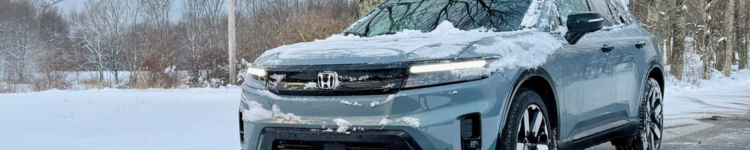
Navigating Winter with Your Honda Electric Vehicle: Tips and Insights

Electric vehicles (EVs) have gained popularity for their environmental benefits, innovative technology, and cost savings. However, winter weather can raise questions about EV performance and efficiency. At Honda City, we’re here to provide tips and insights to help you make the most of your Honda EV during the colder months. Whether you already own a Honda EV or are considering one, this guide will prepare you for winter driving with confidence. 1. How Cold Weather Affects EV Performance Winter temperatures can impact EV range and performance. Cold weather can: Reduce Battery Efficiency: Honda EV batteries rely on chemical reactions to store and release energy, which can slow down in freezing temperatures. Increase Energy Demand: Running the heater, defroster, and other climate control features can consume more energy, impacting range. Despite these challenges, Honda EVs are designed to handle winter conditions, and there are strategies to minimize any potential range loss. 2. Tips for Maximizing EV Range in Winter Here are some practical ways to optimize your Honda EV’s performance during the colder months: Precondition Your Vehicle: Warm up your Honda EV while it’s still plugged in to reduce battery drain during your drive. Plan Your Routes: Use the HondaLink® app to find the most efficient routes, and consider stopping at charging stations if needed. Monitor Tire Pressure: Cold weather can lower tire pressure, reducing efficiency. Regularly check and maintain proper tire pressure. Use Heated Seats and Steering Wheel: These features use less energy than the cabin heater and can help keep you comfortable while conserving battery life. 3. Winter Features in Honda EVs Honda EVs come equipped with features specifically designed for winter driving, such as: All-Wheel Drive (AWD): Available on models like the Honda Prologue EV, AWD provides better traction on snowy roads. Battery Heating Systems: These systems help maintain optimal battery performance in cold weather. Eco Modes: Enable energy-saving driving settings to extend your range. 4. Charging Your Honda EV in Winter Charging a Honda EV during the winter requires a few additional considerations: Keep Your Battery Level Above 20%: Low battery levels can be more affected by cold temperatures. Use Level 2 Chargers: These provide faster charging than standard outlets and are more reliable in winter conditions. Install a Home Charger: If possible, set up a Honda-compatible home charging station in a garage or covered area to protect against freezing temperatures. 5. Winter Safety Tips for Honda EV Drivers Regardless of your vehicle type, winter driving safety is essential. Here are some extra tips for Honda EV drivers: Keep an Emergency Kit: Include blankets, a flashlight, snacks, and a phone charger. Stay Updated on Road Conditions: Use apps or GPS systems to monitor traffic and weather. Drive Conservatively: Accelerate and brake gently to maximize efficiency and maintain control on slippery roads. Winter weather doesn’t have to hinder your Honda EV driving experience. With the right preparation and strategies, you can enjoy the benefits of your Honda electric vehicle all year round. Visit Honda City to explore Honda’s winter-ready EV models, schedule maintenance, or ask our team any questions about EV performance in cold weather. Let’s keep you charged and confident this winter!

leasing vs buying blog banner

Leasing vs. Buying: What’s Best for You in 2025?

When it comes to getting a new vehicle, one of the biggest decisions you’ll face is whether to lease or buy. Each option has its own set of benefits, and the best choice depends on your lifestyle, driving habits, and financial goals. At Honda City, we’re here to break down the pros and cons of leasing and buying to help you make the best decision in 2025. Why Lease a Vehicle? Leasing a vehicle can be an attractive option for many drivers. Here are some key advantages: Lower Monthly Payments: Lease payments are often lower than loan payments, making it easier to afford a higher-end model. Always Drive New: Leasing lets you upgrade to a new car every few years, keeping you in the latest models with the most advanced features. Warranty Coverage: Most leases last 2-3 years, aligning with the manufacturer’s warranty period and reducing repair costs. Reduced Maintenance Costs: With a newer vehicle, you’re less likely to encounter major maintenance issues. Flexibility: At the end of your lease, you can return the car, buy it, or lease a new one. However, leasing does come with some considerations: Mileage Limits: Leases typically have annual mileage caps (e.g., 10,000-15,000 miles). Exceeding this limit can lead to extra fees. No Ownership: When your lease ends, you don’t own the vehicle unless you choose to purchase it. Customization Restrictions: Leased vehicles must be returned in near-original condition, limiting personalization. Why Buy a Vehicle? For those who prefer ownership, buying a vehicle offers several benefits: Ownership: Once you’ve paid off the loan, the car is yours, and you can keep it as long as you like. No Mileage Limits: Drive as much as you want without worrying about penalties. Freedom to Customize: You can personalize your car to suit your style and needs. Long-Term Value: While vehicles depreciate, buying gives you the option to sell or trade-in the car later. Considerations for buying: Higher Upfront Costs: Down payments and monthly payments are typically higher than leasing. Maintenance Costs: As the car ages, repair and maintenance costs can increase. Depreciation: Cars lose value over time, which could affect resale or trade-in value. Key Questions to Ask Yourself Not sure which option is right for you? Start by considering these questions: How much do you drive? If you drive a lot, buying might be better to avoid mileage fees. How long do you plan to keep the car? Leasing is great for short-term use, while buying makes sense for long-term ownership. What’s your budget? Leasing offers lower monthly payments, while buying builds equity over time. Do you value the latest technology? Leasing allows you to drive a new model with updated features every few years. How Honda City Can Help Whether you’re leaning toward leasing or buying, Honda City has a wide range of options to fit your needs. Our team of experts is here to guide you through the process, answer your questions, and ensure you make a decision you’ll feel confident about. Visit our dealership or explore our website to check out our inventory, financing options, and lease specials. Let us help you start 2025 with the perfect vehicle for your lifestyle. Contact Us Today! Still unsure whether leasing or buying is right for you? Stop by Honda City to chat with our knowledgeable team, take a test drive, or explore financing options tailored to your needs. We’re here to make your car-buying or leasing experience smooth and hassle-free. Drive into the new year with confidence!

new years car resolutions blog banner

How to Maximize Your New Year’s Car Resolutions

The start of a new year is the perfect time to set goals and make plans for self-improvement. While resolutions often focus on fitness, finances, or personal growth, why not extend that same energy to your vehicle? After all, your car is a vital part of your daily life. Here are some tips to help you maximize your New Year’s car resolutions and keep your vehicle running smoothly all year long. 1. Commit to Regular Maintenance Routine maintenance is the key to extending the life of your car and avoiding costly repairs. Make it a goal to stay on top of: Oil Changes: Follow your manufacturer’s recommendations for oil change intervals. Tire Maintenance: Check tire pressure monthly and schedule rotations every 5,000-7,500 miles. Brake Inspections: Don’t ignore squeaks or vibrations—they’re your car’s way of telling you it’s time for a check-up. Pro Tip: Set reminders in your calendar for these maintenance tasks to ensure they don’t slip your mind. 2. Get Organized A cluttered car can be stressful and even unsafe. Start the year by organizing your vehicle: Declutter: Remove unnecessary items from the trunk, backseat, and glove compartment. Emergency Kit: Assemble or update your roadside emergency kit with essentials like a flashlight, jumper cables, and a first-aid kit. Cleaning Schedule: Commit to regular cleaning inside and out to keep your car looking its best. 3. Drive Smarter, Not Harder Adopting better driving habits can save you money and improve safety: Avoid Aggressive Driving: Accelerating too quickly and hard braking can wear down your car and waste fuel. Stick to Speed Limits: Driving at moderate speeds improves fuel efficiency and reduces wear and tear. Plan Routes: Use apps to avoid traffic and optimize your routes, saving time and gas. 4. Consider an Upgrade Is your current car meeting your needs? The new year could be the perfect time to: Trade-In Your Vehicle: Take advantage of high trade-in values to upgrade to something newer. Explore Electric or Hybrid Options: Reduce your environmental footprint while saving on fuel costs. Invest in Comfort and Tech: Look for features like heated seats, advanced safety systems, or upgraded infotainment. Visit Honda City to explore our wide selection of vehicles and find the perfect match for your lifestyle. 5. Learn Basic Car Care Skills Empower yourself by mastering simple car maintenance tasks: Check Fluids: Learn how to check and top off oil, coolant, and windshield washer fluid. Change Wiper Blades: A quick and easy task that ensures clear visibility. Inspect Tires: Regularly check tread depth and look for signs of wear or damage. You’ll save money and gain confidence by handling these basic tasks yourself. Start the Year Off Right with Honda City No matter your car resolutions, Honda City is here to help. From expert service and maintenance to a showroom full of the latest models, we have everything you need to make 2025 your best driving year yet. Contact us today or visit our website to schedule a service appointment or explore our inventory. Happy New Year from all of us at Honda City! Let’s hit the road to success together.

oil change blog banner

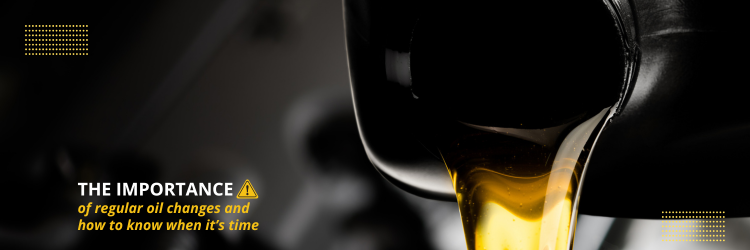
The Importance of Regular Oil Changes and How to Know When It’s Time

Keeping your vehicle in optimal condition requires routine maintenance, and one of the simplest yet most essential tasks is a regular oil change. Engine oil serves as the lifeblood of your car, ensuring that all moving parts operate smoothly, reducing friction, and preventing overheating. Neglecting oil changes can lead to costly repairs and reduced engine performance. Let’s explore why regular oil changes are crucial and how to know when it’s time for one. Why Are Oil Changes Important? Lubrication: The engine consists of numerous moving parts, such as pistons, valves, and the crankshaft. Oil ensures these components glide smoothly, reducing wear and tear. Temperature Regulation: As oil circulates, it absorbs heat from the engine, preventing overheating and ensuring efficient operation. Debris Removal: Over time, dirt, metal particles, and other contaminants can accumulate in the oil. Regular changes prevent this debris from damaging your engine. Prolongs Engine Life: Clean oil keeps your engine running efficiently, reducing the risk of costly breakdowns and extending the life of your vehicle. Signs It’s Time for an Oil Change Dashboard Oil Light: Modern vehicles are equipped with an oil light that alerts you when it’s time for a change. Don’t ignore this warning. Dark or Dirty Oil: Fresh oil has a translucent amber color. Over time, it darkens and becomes murky. Check your oil using the dipstick—if it’s dark, it’s time for a change. Unusual Engine Noise: Insufficient or old oil can cause your engine to become louder, producing knocking or grinding sounds. Burning Oil Smell: A strong smell of burning oil may indicate a leak or that the oil is breaking down under high heat. Decline in Performance: If your vehicle’s acceleration feels sluggish or the fuel efficiency decreases, old oil might be the culprit. How Often Should You Change Your Oil? The frequency of oil changes depends on your vehicle’s make and model, driving habits, and the type of oil used. Traditional advice suggests every 3,000 miles or three months, but many modern vehicles can go 5,000 to 7,500 miles or more. Synthetic oils often allow for even longer intervals. Check your owner’s manual or consult with a trusted mechanic for the best schedule. Choosing the Right Oil Using the right type of oil is crucial. Options include conventional, synthetic, synthetic blend, and high-mileage oil. Factors like your vehicle’s age, driving conditions, and manufacturer recommendations will determine the best choice. At Honda City, our expert technicians can help you select the perfect oil for your car. DIY vs. Professional Oil Changes While some drivers prefer to change their own oil, having it done professionally ensures the job is completed correctly. Technicians at Honda City not only change your oil but also inspect your vehicle for other potential issues, giving you peace of mind. Schedule Your Oil Change Today Regular oil changes are an investment in the longevity and performance of your vehicle. If you’re due for an oil change or unsure about your vehicle’s needs, the team at Honda City is here to help. Schedule an appointment online or visit one of our service centers to keep your car running smoothly. Taking care of your car starts with proper maintenance. Don’t let a simple oil change turn into a costly repair. Stay proactive and drive with confidence!

fog lights blog banner

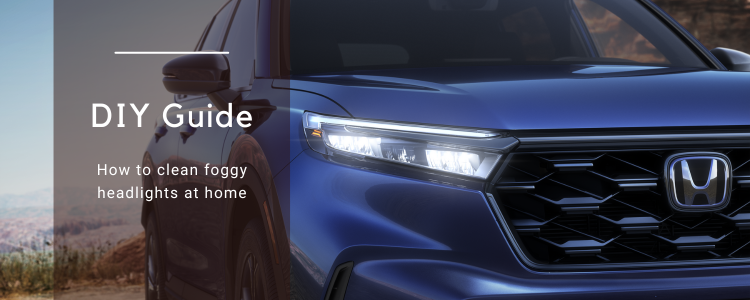
DIY Guide: How to Clean Foggy Headlights at Home

Foggy headlights can make your car look older and, more importantly, reduce visibility at night, compromising your safety. Instead of replacing your headlights, here’s an easy DIY method to restore their clarity and shine with just a few household items! What You'll Need: Baking soda White vinegar Toothpaste (non-gel, whitening works best) Microfiber cloths Masking tape Spray bottle of water Optional: UV headlight sealant for long-term protection Step-by-Step Instructions: Prepare Your Workspace: Park your car in a shaded area to avoid quick drying. Clean the headlights with soap and water to remove any dirt or debris. Protect the Paint: Use masking tape to cover the area around the headlights. This prevents accidental scratches or damage to the car’s paint. Choose Your Method: Toothpaste: Apply a generous amount of toothpaste to a damp microfiber cloth. Rub it onto the headlight in circular motions for 5-10 minutes. Rinse with water and wipe dry. Baking Soda and Vinegar: Make a paste with 2 tablespoons of baking soda and 1 tablespoon of vinegar. Apply it to the headlight and scrub with a cloth. Rinse and dry. Check Your Progress: If the headlights still look cloudy, repeat the process or move to a fine sandpaper method (available in repair kits). Seal for Protection (Optional): Apply a UV headlight sealant to keep your headlights clear for longer. This step is crucial to prevent future fogging. Pro Tip: If DIY doesn’t fully restore your headlights, professional headlight restoration might be necessary. At Honda City, we offer expert services to bring your headlights back to like-new condition. Why Clean Headlights Matter: Improved Visibility: Clear headlights improve your ability to see and be seen at night or in bad weather. Enhanced Appearance: Restored headlights make your car look newer and better maintained. Safety First: Avoid accidents caused by reduced lighting on the road.

holiday travel destinations

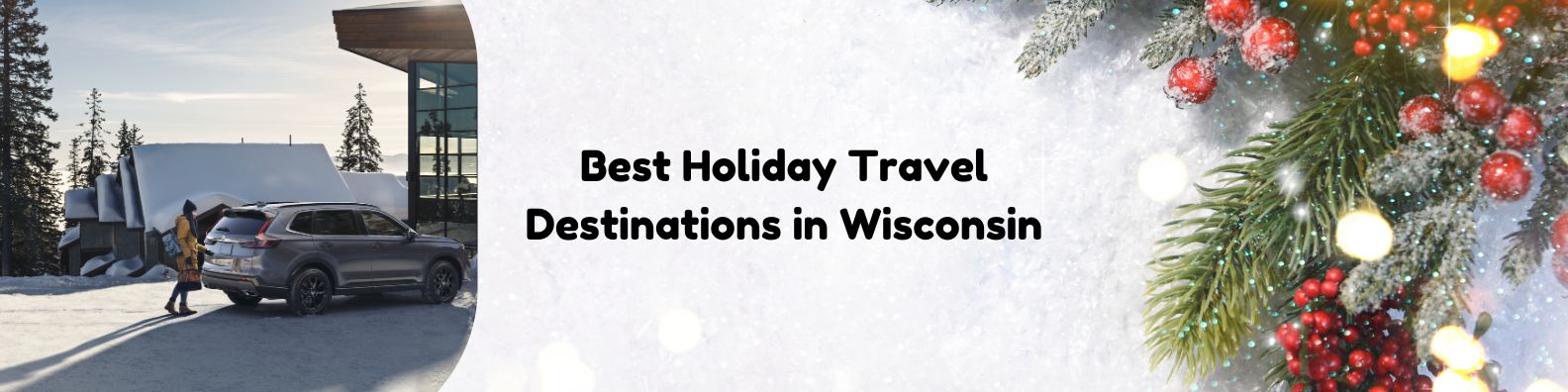
Best Holiday Travel Destinations in Wisconsin

The holiday season is here, and what better way to embrace the magic of winter than with a scenic road trip? Wisconsin is a treasure trove of charming towns, breathtaking landscapes, and festive events that make it a perfect destination for a holiday getaway. Here are some of the best road trip destinations to explore this season: 1. Door County: A Winter Wonderland Known as the "Cape Cod of the Midwest," Door County transforms into a picturesque winter escape. The snow-covered landscapes, quaint villages, and festive lights create a magical ambiance. Highlights include: Sturgeon Bay's holiday lights tour. Ice skating and hot cocoa in Sister Bay. Visiting the charming gift shops and bakeries in Egg Harbor. Travel Tip: Drive along Highway 42 for scenic views and stop at Peninsula State Park for winter hiking or snowshoeing. 2. Lake Geneva: Holiday Elegance Lake Geneva offers a sophisticated yet cozy holiday experience. The area is famous for its Winterfest and the U.S. National Snow Sculpting Championship. Stroll through the downtown area, adorned with holiday decorations. Take a cruise on the Santa Cause charity boat tour. Relax at one of the many spa resorts. Travel Tip: Check out the Grand Geneva Resort for its annual "Christmas in the Country" lights display. 3. Wisconsin Dells: Family Fun While the Dells is famous for summer waterparks, it’s also a great winter destination with indoor and outdoor activities. Explore holiday-themed events at the Dells’ resorts. Go snow tubing or skiing at Cascade Mountain. Visit the Downtown Dells for unique holiday shopping and dining. Travel Tip: Don’t miss the Dells’ Riverwalk lit up with holiday lights. 4. Bayfield and the Apostle Islands: A Frozen Paradise Bayfield is a small town that packs big holiday charm. It's the gateway to the Apostle Islands, where you can witness the stunning ice caves (weather permitting). Attend the Holiday Spirit Gallery Tour. Take a sleigh ride through the snow-covered countryside. Enjoy fresh seafood at local restaurants. Travel Tip: Dress warmly and bring a camera to capture the natural beauty of Lake Superior. 5. Milwaukee: Urban Festivities If you prefer a city vibe, Milwaukee has plenty to offer during the holidays. Visit the Milwaukee Holiday Lights Festival. Explore the festive displays at the Milwaukee Public Market. Take the kids to see the holiday-themed exhibits at Discovery World. Travel Tip: End the day with a warm beverage at one of Milwaukee’s cozy cafés or breweries. 6. Minocqua: The Northwoods Escape Minocqua is a winter haven for outdoor enthusiasts and those looking for a serene getaway. Go cross-country skiing or snowmobiling on the area’s many trails. Visit the Wildwood Wildlife Park and Nature Center. Experience a cozy cabin stay by a frozen lake. Travel Tip: Check out local shops for unique holiday gifts and handcrafted items. Packing Tips for Your Road Trip: Dress in layers and pack winter essentials like gloves, hats, and scarves. Bring a thermos for hot drinks and snacks to keep you energized. Ensure your vehicle is winter-ready with snow tires, an emergency kit, and a full tank of gas. Whether you’re looking for a festive family outing or a peaceful winter retreat, Wisconsin has something for everyone. Hop in your car, turn up the holiday tunes, and let the adventure begin!

honda brake lights blog banner

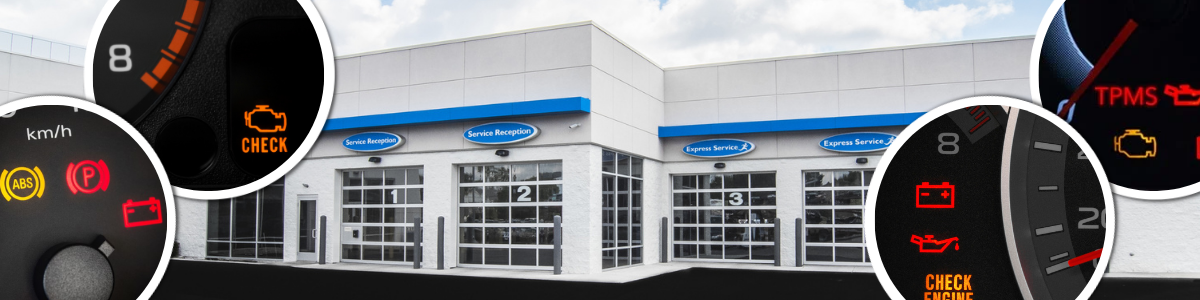
Understanding Honda Dashboard Lights: Tips and When to Seek Service

Your Honda’s dashboard is like a communication hub for your vehicle, offering vital information about its health and functionality. When a dashboard light illuminates, it’s your car’s way of signaling attention. Let’s break down common dashboard lights, what they mean, and when you should bring your Honda in for professional service. Common Honda Dashboard Lights and What They Mean 1. Check Engine Light Appearance: A yellow or orange engine icon. What it Means: This light indicates issues with the engine or emissions system, ranging from a loose gas cap to a more serious problem like a malfunctioning sensor. What to Do: First, ensure the gas cap is tightly secured. If the light remains on or blinks, schedule service immediately, as it may affect your vehicle’s performance and fuel efficiency. 2. Battery/Charging System Warning Light Appearance: A red battery icon. What it Means: Your car is experiencing issues with the battery or alternator. What to Do: Check for loose or corroded battery connections. If the light persists, have the battery and charging system inspected promptly to avoid a breakdown. 3. Oil Pressure Warning Light Appearance: A red oil can. What it Means: Low oil pressure, which could be due to low oil levels or a more severe issue. What to Do: Pull over safely, turn off the engine, and check your oil level. Do not continue driving if the light stays on—schedule service immediately to prevent engine damage. 4. Tire Pressure Monitoring System (TPMS) Light Appearance: An exclamation mark inside a horseshoe or the letters “TPMS.” What it Means: One or more tires are underinflated. What to Do: Check your tire pressure with a gauge and inflate tires to the recommended PSI found in your owner’s manual or on the door frame. If the light doesn’t reset, there may be a sensor issue that requires professional service. 5. Anti-Lock Braking System (ABS) Warning Light Appearance: The letters "ABS." What it Means: A problem with the anti-lock braking system, which helps prevent wheel lockup during hard braking. What to Do: While your regular brakes will still work, the ABS system may not function correctly. Schedule an inspection to ensure your safety. 6. Maintenance Minder Light Appearance: A wrench icon or the words “Maintenance Required.” What it Means: Your Honda is due for routine maintenance, such as an oil change or tire rotation. What to Do: Refer to your owner’s manual or call your Honda service center to determine the specific maintenance needed. Tips for Handling Dashboard Lights Don’t Ignore the Lights: Dashboard lights are designed to catch your attention. Ignoring them can lead to more significant problems or costly repairs. Understand Severity: Red or flashing lights often indicate urgent issues that require immediate action, while yellow or orange lights suggest caution. Refer to Your Owner’s Manual: When in doubt, your Honda owner’s manual provides detailed explanations of dashboard lights and what actions to take. Keep Up with Routine Maintenance: Prevent many dashboard lights from appearing by staying on top of your vehicle’s regular maintenance schedule. When to Bring Your Honda in for Service If a dashboard light remains illuminated or flashes, it’s time to schedule an appointment with your local Honda service center. Some issues, like a blinking check engine light or red warning lights, require immediate attention to prevent further damage or unsafe driving conditions. At Honda City, our certified technicians are trained to diagnose and resolve any issues related to dashboard lights. We use advanced diagnostic tools to identify the problem quickly and efficiently, ensuring your Honda is back on the road in top condition. Schedule Your Service Today Don’t let a dashboard light disrupt your drive. Whether it’s a minor issue or a more complex repair, we’re here to help. Visit Honda City or schedule your service appointment online for reliable, expert care. By understanding what your Honda’s dashboard lights mean and addressing them promptly, you can ensure a safer, smoother driving experience. Keep this guide handy for quick reference and peace of mind on the road!

Contact Us

Fill out this form below and we'll contact you shortly
*Required Fields