

Blog / Tips and Advice

Blog

All Tips and Advice Honda Community Maintenance New Cars Models Owner Info News Summer Road Trips Used Cars Civic Finance Accord CR-V Promotions Schlossmann Honda City Service Body Shop Greenfield Honda Dealer HR-V Odyssey Pilot Prologue Vehicle Comparisons Vehicle Safety
awd vs fwd blog banner

A Guide to All-Wheel Drive vs. Front-Wheel Drive for Winter Driving

When winter arrives, bringing snow, ice, and slippery roads, your vehicle’s drivetrain can make a big difference in how confidently and safely you navigate the season. Understanding the pros and cons of all-wheel drive (AWD) and front-wheel drive (FWD) will help you make an informed choice, whether you're shopping for a new vehicle or simply looking to get the most out of your current car. Here’s a breakdown of what each drivetrain offers and how they perform in winter conditions. What Is Front-Wheel Drive (FWD)? Front-wheel drive means that the engine’s power is sent to the front wheels. This configuration is common in many sedans, compact cars, and some SUVs. FWD vehicles are designed to be efficient and reliable for everyday driving. Advantages of FWD in Winter: Better Traction in Light Snow: Since the engine’s weight is over the front wheels, FWD vehicles often provide better traction on snowy or icy roads compared to rear-wheel drive (RWD) vehicles. Fuel Efficiency: FWD vehicles are generally lighter and more fuel-efficient, which can help reduce costs during long winter commutes. Lower Cost: FWD systems are less complex and typically more affordable to maintain than AWD systems. Challenges of FWD in Winter: Limited Performance in Heavy Snow: FWD vehicles can struggle in deep snow or on extremely slippery surfaces, where additional traction is needed. Handling on Hills: Climbing steep, icy hills can be more challenging in a FWD vehicle compared to AWD. What Is All-Wheel Drive (AWD)? All-wheel drive systems automatically distribute power to all four wheels as needed, providing enhanced traction and stability. AWD is commonly found in SUVs, crossovers, and some high-performance vehicles. Advantages of AWD in Winter: Superior Traction: AWD systems shine in challenging conditions, such as heavy snow or icy roads, by automatically adjusting power delivery to the wheels with the most grip. Improved Stability: The added traction enhances handling and reduces the risk of losing control on slippery surfaces. Versatility: AWD systems are ideal for drivers who frequently encounter varying road conditions or enjoy outdoor activities that require off-road capability. Challenges of AWD in Winter: Higher Cost: AWD vehicles are generally more expensive to purchase and maintain compared to FWD vehicles. Fuel Consumption: AWD systems add weight and complexity, which can lead to slightly lower fuel efficiency. Overconfidence: While AWD provides more traction, it doesn’t improve braking or prevent sliding on ice. Drivers should still exercise caution. Which Drivetrain Is Right for You? Living in the Midwest means facing a wide range of winter conditions, from light snow to severe ice storms. Choosing the right drivetrain is crucial for navigating these challenges: Consider FWD if: You primarily drive in urban or suburban areas with well-maintained roads and lighter snowfall. FWD offers affordability and efficiency while still performing adequately in typical Midwest winters. Consider AWD if: You live in rural areas, frequently travel on unplowed roads, or face heavy snow and ice. AWD provides the added traction and stability needed for the Midwest’s unpredictable and often harsh winter conditions. Honda City Has You Covered Whether you’re looking for a reliable FWD sedan or a rugged AWD SUV, Honda City has a wide selection of vehicles to suit your winter driving needs. Our team is here to help you find the perfect car and answer any questions about drivetrains, winter tires, and more. Schedule a Test Drive Today! Ready to experience the difference for yourself? Visit us at Honda City to test drive a variety of FWD and AWD vehicles. Our winter-ready inventory is here to keep you safe and comfortable all season long.


honda ev in winter blog banner

Navigating Winter with Your Honda Electric Vehicle: Tips and Insights

Electric vehicles (EVs) have gained popularity for their environmental benefits, innovative technology, and cost savings. However, winter weather can raise questions about EV performance and efficiency. At Honda City, we’re here to provide tips and insights to help you make the most of your Honda EV during the colder months. Whether you already own a Honda EV or are considering one, this guide will prepare you for winter driving with confidence. 1. How Cold Weather Affects EV Performance Winter temperatures can impact EV range and performance. Cold weather can: Reduce Battery Efficiency: Honda EV batteries rely on chemical reactions to store and release energy, which can slow down in freezing temperatures. Increase Energy Demand: Running the heater, defroster, and other climate control features can consume more energy, impacting range. Despite these challenges, Honda EVs are designed to handle winter conditions, and there are strategies to minimize any potential range loss. 2. Tips for Maximizing EV Range in Winter Here are some practical ways to optimize your Honda EV’s performance during the colder months: Precondition Your Vehicle: Warm up your Honda EV while it’s still plugged in to reduce battery drain during your drive. Plan Your Routes: Use the HondaLink® app to find the most efficient routes, and consider stopping at charging stations if needed. Monitor Tire Pressure: Cold weather can lower tire pressure, reducing efficiency. Regularly check and maintain proper tire pressure. Use Heated Seats and Steering Wheel: These features use less energy than the cabin heater and can help keep you comfortable while conserving battery life. 3. Winter Features in Honda EVs Honda EVs come equipped with features specifically designed for winter driving, such as: All-Wheel Drive (AWD): Available on models like the Honda Prologue EV, AWD provides better traction on snowy roads. Battery Heating Systems: These systems help maintain optimal battery performance in cold weather. Eco Modes: Enable energy-saving driving settings to extend your range. 4. Charging Your Honda EV in Winter Charging a Honda EV during the winter requires a few additional considerations: Keep Your Battery Level Above 20%: Low battery levels can be more affected by cold temperatures. Use Level 2 Chargers: These provide faster charging than standard outlets and are more reliable in winter conditions. Install a Home Charger: If possible, set up a Honda-compatible home charging station in a garage or covered area to protect against freezing temperatures. 5. Winter Safety Tips for Honda EV Drivers Regardless of your vehicle type, winter driving safety is essential. Here are some extra tips for Honda EV drivers: Keep an Emergency Kit: Include blankets, a flashlight, snacks, and a phone charger. Stay Updated on Road Conditions: Use apps or GPS systems to monitor traffic and weather. Drive Conservatively: Accelerate and brake gently to maximize efficiency and maintain control on slippery roads. Winter weather doesn’t have to hinder your Honda EV driving experience. With the right preparation and strategies, you can enjoy the benefits of your Honda electric vehicle all year round. Visit Honda City to explore Honda’s winter-ready EV models, schedule maintenance, or ask our team any questions about EV performance in cold weather. Let’s keep you charged and confident this winter!

leasing vs buying blog banner

Leasing vs. Buying: What’s Best for You in 2025?

When it comes to getting a new vehicle, one of the biggest decisions you’ll face is whether to lease or buy. Each option has its own set of benefits, and the best choice depends on your lifestyle, driving habits, and financial goals. At Honda City, we’re here to break down the pros and cons of leasing and buying to help you make the best decision in 2025. Why Lease a Vehicle? Leasing a vehicle can be an attractive option for many drivers. Here are some key advantages: Lower Monthly Payments: Lease payments are often lower than loan payments, making it easier to afford a higher-end model. Always Drive New: Leasing lets you upgrade to a new car every few years, keeping you in the latest models with the most advanced features. Warranty Coverage: Most leases last 2-3 years, aligning with the manufacturer’s warranty period and reducing repair costs. Reduced Maintenance Costs: With a newer vehicle, you’re less likely to encounter major maintenance issues. Flexibility: At the end of your lease, you can return the car, buy it, or lease a new one. However, leasing does come with some considerations: Mileage Limits: Leases typically have annual mileage caps (e.g., 10,000-15,000 miles). Exceeding this limit can lead to extra fees. No Ownership: When your lease ends, you don’t own the vehicle unless you choose to purchase it. Customization Restrictions: Leased vehicles must be returned in near-original condition, limiting personalization. Why Buy a Vehicle? For those who prefer ownership, buying a vehicle offers several benefits: Ownership: Once you’ve paid off the loan, the car is yours, and you can keep it as long as you like. No Mileage Limits: Drive as much as you want without worrying about penalties. Freedom to Customize: You can personalize your car to suit your style and needs. Long-Term Value: While vehicles depreciate, buying gives you the option to sell or trade-in the car later. Considerations for buying: Higher Upfront Costs: Down payments and monthly payments are typically higher than leasing. Maintenance Costs: As the car ages, repair and maintenance costs can increase. Depreciation: Cars lose value over time, which could affect resale or trade-in value. Key Questions to Ask Yourself Not sure which option is right for you? Start by considering these questions: How much do you drive? If you drive a lot, buying might be better to avoid mileage fees. How long do you plan to keep the car? Leasing is great for short-term use, while buying makes sense for long-term ownership. What’s your budget? Leasing offers lower monthly payments, while buying builds equity over time. Do you value the latest technology? Leasing allows you to drive a new model with updated features every few years. How Honda City Can Help Whether you’re leaning toward leasing or buying, Honda City has a wide range of options to fit your needs. Our team of experts is here to guide you through the process, answer your questions, and ensure you make a decision you’ll feel confident about. Visit our dealership or explore our website to check out our inventory, financing options, and lease specials. Let us help you start 2025 with the perfect vehicle for your lifestyle. Contact Us Today! Still unsure whether leasing or buying is right for you? Stop by Honda City to chat with our knowledgeable team, take a test drive, or explore financing options tailored to your needs. We’re here to make your car-buying or leasing experience smooth and hassle-free. Drive into the new year with confidence!

new years car resolutions blog banner

How to Maximize Your New Year’s Car Resolutions

The start of a new year is the perfect time to set goals and make plans for self-improvement. While resolutions often focus on fitness, finances, or personal growth, why not extend that same energy to your vehicle? After all, your car is a vital part of your daily life. Here are some tips to help you maximize your New Year’s car resolutions and keep your vehicle running smoothly all year long. 1. Commit to Regular Maintenance Routine maintenance is the key to extending the life of your car and avoiding costly repairs. Make it a goal to stay on top of: Oil Changes: Follow your manufacturer’s recommendations for oil change intervals. Tire Maintenance: Check tire pressure monthly and schedule rotations every 5,000-7,500 miles. Brake Inspections: Don’t ignore squeaks or vibrations—they’re your car’s way of telling you it’s time for a check-up. Pro Tip: Set reminders in your calendar for these maintenance tasks to ensure they don’t slip your mind. 2. Get Organized A cluttered car can be stressful and even unsafe. Start the year by organizing your vehicle: Declutter: Remove unnecessary items from the trunk, backseat, and glove compartment. Emergency Kit: Assemble or update your roadside emergency kit with essentials like a flashlight, jumper cables, and a first-aid kit. Cleaning Schedule: Commit to regular cleaning inside and out to keep your car looking its best. 3. Drive Smarter, Not Harder Adopting better driving habits can save you money and improve safety: Avoid Aggressive Driving: Accelerating too quickly and hard braking can wear down your car and waste fuel. Stick to Speed Limits: Driving at moderate speeds improves fuel efficiency and reduces wear and tear. Plan Routes: Use apps to avoid traffic and optimize your routes, saving time and gas. 4. Consider an Upgrade Is your current car meeting your needs? The new year could be the perfect time to: Trade-In Your Vehicle: Take advantage of high trade-in values to upgrade to something newer. Explore Electric or Hybrid Options: Reduce your environmental footprint while saving on fuel costs. Invest in Comfort and Tech: Look for features like heated seats, advanced safety systems, or upgraded infotainment. Visit Honda City to explore our wide selection of vehicles and find the perfect match for your lifestyle. 5. Learn Basic Car Care Skills Empower yourself by mastering simple car maintenance tasks: Check Fluids: Learn how to check and top off oil, coolant, and windshield washer fluid. Change Wiper Blades: A quick and easy task that ensures clear visibility. Inspect Tires: Regularly check tread depth and look for signs of wear or damage. You’ll save money and gain confidence by handling these basic tasks yourself. Start the Year Off Right with Honda City No matter your car resolutions, Honda City is here to help. From expert service and maintenance to a showroom full of the latest models, we have everything you need to make 2025 your best driving year yet. Contact us today or visit our website to schedule a service appointment or explore our inventory. Happy New Year from all of us at Honda City! Let’s hit the road to success together.

oil change blog banner

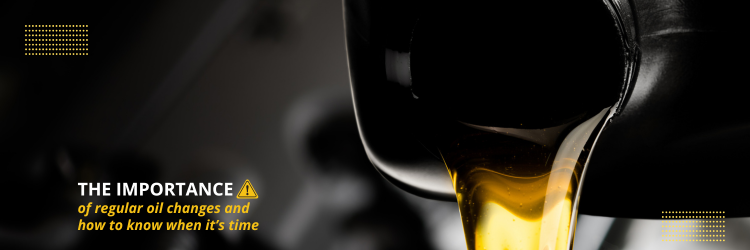
The Importance of Regular Oil Changes and How to Know When It’s Time

Keeping your vehicle in optimal condition requires routine maintenance, and one of the simplest yet most essential tasks is a regular oil change. Engine oil serves as the lifeblood of your car, ensuring that all moving parts operate smoothly, reducing friction, and preventing overheating. Neglecting oil changes can lead to costly repairs and reduced engine performance. Let’s explore why regular oil changes are crucial and how to know when it’s time for one. Why Are Oil Changes Important? Lubrication: The engine consists of numerous moving parts, such as pistons, valves, and the crankshaft. Oil ensures these components glide smoothly, reducing wear and tear. Temperature Regulation: As oil circulates, it absorbs heat from the engine, preventing overheating and ensuring efficient operation. Debris Removal: Over time, dirt, metal particles, and other contaminants can accumulate in the oil. Regular changes prevent this debris from damaging your engine. Prolongs Engine Life: Clean oil keeps your engine running efficiently, reducing the risk of costly breakdowns and extending the life of your vehicle. Signs It’s Time for an Oil Change Dashboard Oil Light: Modern vehicles are equipped with an oil light that alerts you when it’s time for a change. Don’t ignore this warning. Dark or Dirty Oil: Fresh oil has a translucent amber color. Over time, it darkens and becomes murky. Check your oil using the dipstick—if it’s dark, it’s time for a change. Unusual Engine Noise: Insufficient or old oil can cause your engine to become louder, producing knocking or grinding sounds. Burning Oil Smell: A strong smell of burning oil may indicate a leak or that the oil is breaking down under high heat. Decline in Performance: If your vehicle’s acceleration feels sluggish or the fuel efficiency decreases, old oil might be the culprit. How Often Should You Change Your Oil? The frequency of oil changes depends on your vehicle’s make and model, driving habits, and the type of oil used. Traditional advice suggests every 3,000 miles or three months, but many modern vehicles can go 5,000 to 7,500 miles or more. Synthetic oils often allow for even longer intervals. Check your owner’s manual or consult with a trusted mechanic for the best schedule. Choosing the Right Oil Using the right type of oil is crucial. Options include conventional, synthetic, synthetic blend, and high-mileage oil. Factors like your vehicle’s age, driving conditions, and manufacturer recommendations will determine the best choice. At Honda City, our expert technicians can help you select the perfect oil for your car. DIY vs. Professional Oil Changes While some drivers prefer to change their own oil, having it done professionally ensures the job is completed correctly. Technicians at Honda City not only change your oil but also inspect your vehicle for other potential issues, giving you peace of mind. Schedule Your Oil Change Today Regular oil changes are an investment in the longevity and performance of your vehicle. If you’re due for an oil change or unsure about your vehicle’s needs, the team at Honda City is here to help. Schedule an appointment online or visit one of our service centers to keep your car running smoothly. Taking care of your car starts with proper maintenance. Don’t let a simple oil change turn into a costly repair. Stay proactive and drive with confidence!

fog lights blog banner

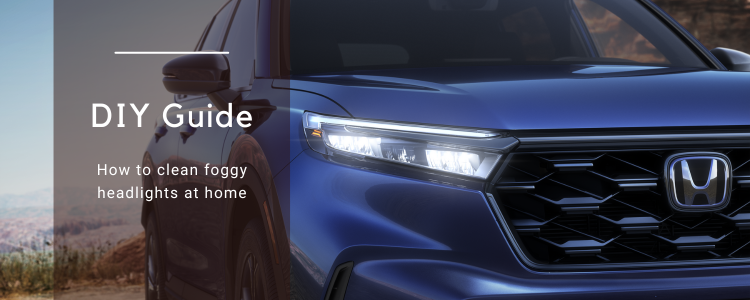
DIY Guide: How to Clean Foggy Headlights at Home

Foggy headlights can make your car look older and, more importantly, reduce visibility at night, compromising your safety. Instead of replacing your headlights, here’s an easy DIY method to restore their clarity and shine with just a few household items! What You'll Need: Baking soda White vinegar Toothpaste (non-gel, whitening works best) Microfiber cloths Masking tape Spray bottle of water Optional: UV headlight sealant for long-term protection Step-by-Step Instructions: Prepare Your Workspace: Park your car in a shaded area to avoid quick drying. Clean the headlights with soap and water to remove any dirt or debris. Protect the Paint: Use masking tape to cover the area around the headlights. This prevents accidental scratches or damage to the car’s paint. Choose Your Method: Toothpaste: Apply a generous amount of toothpaste to a damp microfiber cloth. Rub it onto the headlight in circular motions for 5-10 minutes. Rinse with water and wipe dry. Baking Soda and Vinegar: Make a paste with 2 tablespoons of baking soda and 1 tablespoon of vinegar. Apply it to the headlight and scrub with a cloth. Rinse and dry. Check Your Progress: If the headlights still look cloudy, repeat the process or move to a fine sandpaper method (available in repair kits). Seal for Protection (Optional): Apply a UV headlight sealant to keep your headlights clear for longer. This step is crucial to prevent future fogging. Pro Tip: If DIY doesn’t fully restore your headlights, professional headlight restoration might be necessary. At Honda City, we offer expert services to bring your headlights back to like-new condition. Why Clean Headlights Matter: Improved Visibility: Clear headlights improve your ability to see and be seen at night or in bad weather. Enhanced Appearance: Restored headlights make your car look newer and better maintained. Safety First: Avoid accidents caused by reduced lighting on the road.

_winter warm up banner

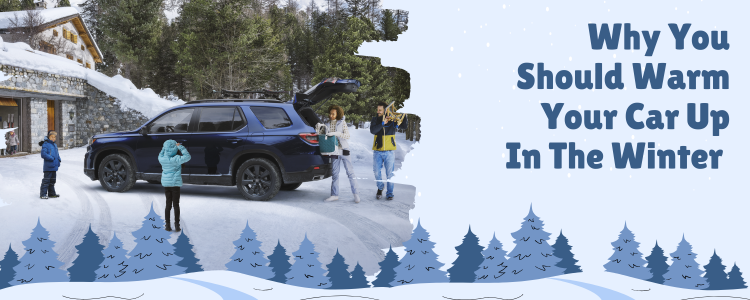
Why You Should Warm Up Your Car in the Winter

As temperatures drop and winter settles in, the way you care for your vehicle becomes even more important. One question that often comes up during the colder months is whether you should warm up your car before driving. The short answer? Yes, but not for as long as you might think. Let’s dive into why warming up your car in the winter is beneficial and how to do it effectively. Why Warming Up Your Car Matters Protecting Your Engine When your car sits in the cold, the oil inside the engine thickens, making it harder for the engine to lubricate properly. Allowing your car to idle for a short period ensures the oil flows smoothly to all the necessary components, reducing wear and tear on your engine. Improved Performance Cold weather affects your car’s performance, especially when it comes to fuel efficiency and acceleration. Warming up your car allows the engine to reach an optimal operating temperature, improving fuel economy and reducing strain on components like spark plugs and fuel injectors. Enhancing Safety and Comfort A warmed-up car helps defrost your windows and makes the interior more comfortable for you and your passengers. Clear visibility is crucial for safe winter driving, and a warm cabin makes those frosty mornings a little more bearable. How to Warm Up Your Car the Right Way While warming up your car is important, modern vehicles don’t require long idle times. Here are some best practices: Idle for 30 Seconds to 2 Minutes Most vehicles only need 30 seconds to a minute of idling to circulate oil through the engine. For extremely cold conditions, a maximum of two minutes should suffice. Drive Gently at First After idling, start driving but avoid high speeds or rapid acceleration until your engine is fully warmed up. This allows the car to reach optimal temperature without unnecessary strain. Avoid Excessive Idling Prolonged idling wastes fuel and contributes to environmental pollution. It can also lead to carbon buildup in your engine over time. Myths About Warming Up Your Car There are a few misconceptions about warming up your car in winter: Myth: You need to idle for 10+ minutes. Modern engines are designed to warm up quickly. Extended idling isn’t necessary and can do more harm than good. Myth: It’s bad to start driving right away. As long as you drive gently, moving your car shortly after starting is perfectly fine. Myth: Warming up only benefits older cars. While it’s true that older vehicles with carbureted engines required longer warm-up times, even modern cars benefit from a short idling period in cold weather. Final Thoughts Warming up your car in winter is about finding the right balance. A short idle period followed by gentle driving ensures your vehicle is ready to handle the cold while preserving fuel and reducing emissions. By following these tips, you’ll not only protect your car but also improve your winter driving experience. Need more winter car care tips? Stop by Honda City, and let our experts help you keep your vehicle in top shape all season long!

honda brake lights blog banner

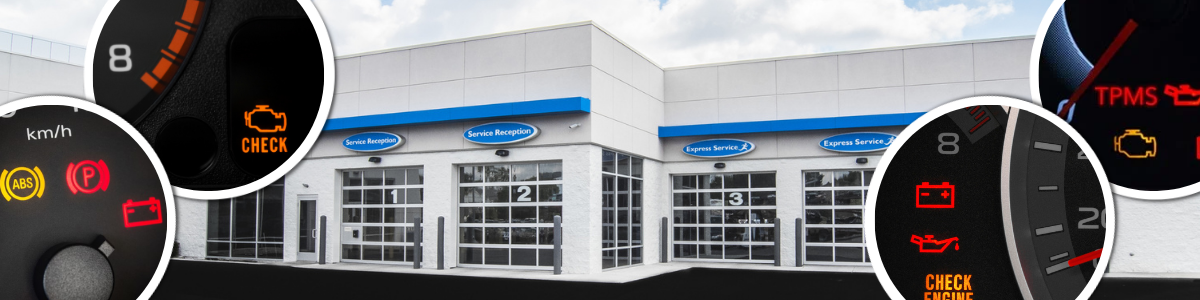
Understanding Honda Dashboard Lights: Tips and When to Seek Service

Your Honda’s dashboard is like a communication hub for your vehicle, offering vital information about its health and functionality. When a dashboard light illuminates, it’s your car’s way of signaling attention. Let’s break down common dashboard lights, what they mean, and when you should bring your Honda in for professional service. Common Honda Dashboard Lights and What They Mean 1. Check Engine Light Appearance: A yellow or orange engine icon. What it Means: This light indicates issues with the engine or emissions system, ranging from a loose gas cap to a more serious problem like a malfunctioning sensor. What to Do: First, ensure the gas cap is tightly secured. If the light remains on or blinks, schedule service immediately, as it may affect your vehicle’s performance and fuel efficiency. 2. Battery/Charging System Warning Light Appearance: A red battery icon. What it Means: Your car is experiencing issues with the battery or alternator. What to Do: Check for loose or corroded battery connections. If the light persists, have the battery and charging system inspected promptly to avoid a breakdown. 3. Oil Pressure Warning Light Appearance: A red oil can. What it Means: Low oil pressure, which could be due to low oil levels or a more severe issue. What to Do: Pull over safely, turn off the engine, and check your oil level. Do not continue driving if the light stays on—schedule service immediately to prevent engine damage. 4. Tire Pressure Monitoring System (TPMS) Light Appearance: An exclamation mark inside a horseshoe or the letters “TPMS.” What it Means: One or more tires are underinflated. What to Do: Check your tire pressure with a gauge and inflate tires to the recommended PSI found in your owner’s manual or on the door frame. If the light doesn’t reset, there may be a sensor issue that requires professional service. 5. Anti-Lock Braking System (ABS) Warning Light Appearance: The letters "ABS." What it Means: A problem with the anti-lock braking system, which helps prevent wheel lockup during hard braking. What to Do: While your regular brakes will still work, the ABS system may not function correctly. Schedule an inspection to ensure your safety. 6. Maintenance Minder Light Appearance: A wrench icon or the words “Maintenance Required.” What it Means: Your Honda is due for routine maintenance, such as an oil change or tire rotation. What to Do: Refer to your owner’s manual or call your Honda service center to determine the specific maintenance needed. Tips for Handling Dashboard Lights Don’t Ignore the Lights: Dashboard lights are designed to catch your attention. Ignoring them can lead to more significant problems or costly repairs. Understand Severity: Red or flashing lights often indicate urgent issues that require immediate action, while yellow or orange lights suggest caution. Refer to Your Owner’s Manual: When in doubt, your Honda owner’s manual provides detailed explanations of dashboard lights and what actions to take. Keep Up with Routine Maintenance: Prevent many dashboard lights from appearing by staying on top of your vehicle’s regular maintenance schedule. When to Bring Your Honda in for Service If a dashboard light remains illuminated or flashes, it’s time to schedule an appointment with your local Honda service center. Some issues, like a blinking check engine light or red warning lights, require immediate attention to prevent further damage or unsafe driving conditions. At Honda City, our certified technicians are trained to diagnose and resolve any issues related to dashboard lights. We use advanced diagnostic tools to identify the problem quickly and efficiently, ensuring your Honda is back on the road in top condition. Schedule Your Service Today Don’t let a dashboard light disrupt your drive. Whether it’s a minor issue or a more complex repair, we’re here to help. Visit Honda City or schedule your service appointment online for reliable, expert care. By understanding what your Honda’s dashboard lights mean and addressing them promptly, you can ensure a safer, smoother driving experience. Keep this guide handy for quick reference and peace of mind on the road!

honda camping banner

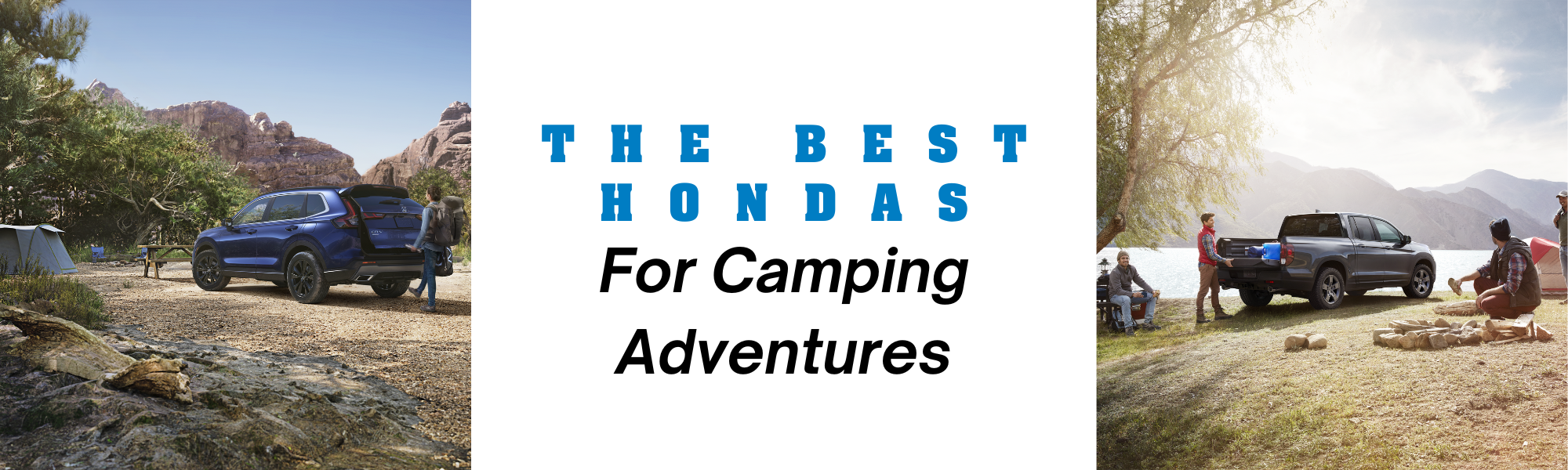
The Best Hondas for Camping Adventures

When it comes to camping, the right vehicle can make or break your adventure. Honda, known for its reliability and versatility, offers several models that are perfect for getting you out into nature while keeping you comfortable and well-equipped. Whether you're looking for something compact for solo trips or spacious enough for a family getaway, there's a Honda to fit the bill. Here’s a look at the best Hondas for camping enthusiasts. 1. Honda CR-V The Honda CR-V is one of the most popular compact SUVs for good reason—it’s practical, efficient, and perfect for camping trips. Why It's Great for Camping: Spacious Cargo Area: With the rear seats folded down, the CR-V offers plenty of space for gear or even a makeshift sleeping setup. All-Wheel Drive (AWD): Honda’s Real Time AWD system provides excellent traction for reaching off-the-beaten-path campsites. Fuel Efficiency: You’ll save money and reduce stops with the CR-V’s impressive MPG for an SUV. Ideal for small groups or solo adventurers, the CR-V is a great option for those who want a balance of comfort and utility. 2. Honda Ridgeline For campers who want the versatility of a truck, the Honda Ridgeline is a standout choice. This unibody pickup combines Honda’s signature smooth ride with rugged practicality. Why It's Great for Camping: In-Bed Trunk: A lockable in-bed trunk doubles as a cooler, perfect for keeping your food and drinks chilled. Flat Truck Bed: The spacious bed can accommodate tents, bikes, kayaks, and other bulky camping gear. Dual-Action Tailgate: The tailgate swings both down and out for easier access to your gear. AWD Capability: Perfect for tackling dirt roads or uneven terrain. The Ridgeline is ideal for campers who need heavy-duty hauling or want to tailgate in style. 3. Honda Passport The Honda Passport is the CR-V’s bigger, bolder sibling, designed for those who love adventure and need extra space. Why It's Great for Camping: Off-Road Capability: Equipped with Honda’s Intelligent Traction Management, the Passport handles sand, snow, and mud with ease. Ample Interior Space: With over 50 cubic feet of cargo space (and more with seats down), the Passport is perfect for families or campers with lots of gear. Roof Rails: Add a cargo box or roof rack to carry even more equipment. The Passport offers a more rugged option than the CR-V while maintaining Honda’s reputation for comfort and reliability. 4. Honda Element (Used Market) Though discontinued, the Honda Element remains a cult favorite among campers and van-lifers. Why It's Great for Camping: Boxy Design: The square shape maximizes interior space, making it easy to customize for camping setups. Washable Interior: The durable flooring and upholstery are easy to clean after muddy or sandy adventures. Removable Rear Seats: Transform the Element into a mini camper by removing the rear seats for a flat sleeping area. If you can find a well-maintained Honda Element, it’s a dream for DIY campers looking for a budget-friendly option. 5. Honda Odyssey For families or groups who want comfort and roominess, the Honda Odyssey is surprisingly well-suited for camping trips. Why It's Great for Camping: Seating Versatility: The Magic Slide seats and fold-flat third-row seating offer incredible flexibility for passengers and gear. Built-In Entertainment: Keep the kids entertained with the rear entertainment system while heading to your campsite. Spacious Interior: Minivans like the Odyssey are perfect for "car camping" with enough room to sleep inside or store supplies. While it’s not designed for rugged off-road trails, the Odyssey shines in family-friendly camping environments. Choosing the Right Honda for Your Camping Style The best Honda for your camping trips depends on your preferences and needs: Compact and Efficient: Go with the CR-V. Rugged and Spacious: Opt for the Passport or Ridgeline. DIY Van Life: Look for a used Honda Element. Family-Friendly Comfort: The Odyssey is hard to beat. No matter which model you choose, Honda’s reputation for reliability and thoughtful design ensures you’ll have a vehicle that supports your outdoor adventures for years to come. So, pack your gear, hit the road, and let your Honda take you to your next campsite! 🚗🌲

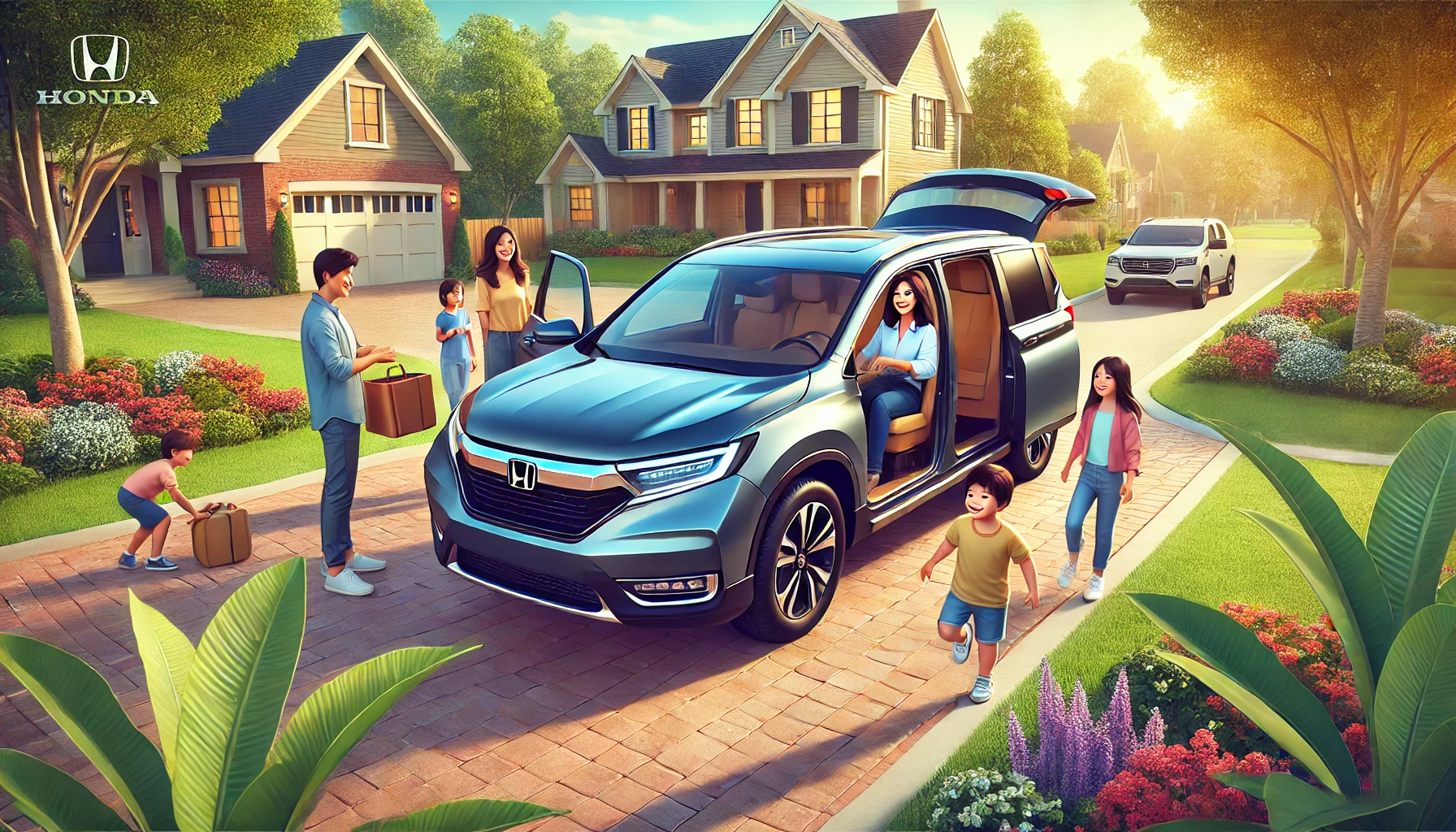
DALL·E 2024-12-04 09.41.06 - A stylish and adventurous mom driving a modern Honda SUV with third-row seating, set in a vibrant suburban neighborhood. The car is surrounded by happ

Drive in Style: Why Honda SUVs with Third-Row Seating Are Perfect for Cool Moms

When it comes to being a mom, functionality and style are non-negotiable. Enter Honda SUVs with third-row seating—vehicles designed for moms who need to juggle carpools, grocery runs, and weekend adventures without compromising on comfort or elegance. Spacious Design for Busy Lifestyles Honda’s third-row SUVs, such as the Pilot and Odyssey, cater to families needing space without sacrificing a sleek appearance. The third-row seats fold effortlessly to expand cargo space, making it easy to switch from soccer practice to a weekend getaway. Safety First, Always Equipped with state-of-the-art safety features like lane-keeping assist, adaptive cruise control, and collision mitigation braking systems, Honda SUVs provide peace of mind for you and your precious passengers. Tech That Works for You With features like Apple CarPlay, Android Auto, and multiple USB ports, these SUVs keep everyone connected and entertained. The built-in navigation system and rear-seat entertainment options ensure that long drives feel like a breeze. Adventure Awaits Whether you’re navigating city streets or exploring off-road trails, Honda SUVs offer reliable performance and excellent handling. The all-wheel-drive option ensures you’re prepared for all weather conditions, while the comfortable interior guarantees a smooth ride. Stylish and Family-Friendly Honda SUVs combine modern design with family functionality. The roomy interiors and stylish exteriors make them the perfect choice for moms who want to balance practicality with a bit of flair. Explore the versatility of Honda SUVs today and discover how they can make your daily adventures even more extraordinary. From morning drop-offs to evening pick-ups, they’re built for moms who do it all.

The Future is Electric: Why EV Range Shouldn’t Limit Your Choice – Honda City

Are you considering making the switch to electric? Feeling a bit apprehensive about EV range? You're not alone! Transitioning to an electric vehicle (EV) is an exciting frontier, but it's normal to have questions and hesitations. Here at Honda City, we’re here to address your concerns and show you why EV range is the least of your worries. Say goodbye to those gas station visits! Instead, make EV charging part of your daily routine. With cars spending an average of 96% of their time parked – that’s more than 23 hours a day – you can easily use that downtime to charge your vehicle. Charge overnight at home with Milwaukee's growing network of accessible residential charging options, and start your day with a full battery. Plus, with the city’s ever-expanding public charging network, you can top up while shopping at the Milwaukee Public Market, dining on Brady Street, or catching a game at Fiserv Forum. For daily commutes in and around Milwaukee, an EV offers plenty of range. The average American drives 37 miles a day, and today’s electric vehicles provide an average range of 217 miles, with many surpassing 300 miles. Whether you’re commuting from Wauwatosa, heading to the Lakefront for a day out, or running errands across town, your EV will easily keep up. Planning a road trip? Milwaukee’s strategic location makes it an ideal hub for EV travel. With a full charge, most EVs can get you to Chicago and back without breaking a sweat. For longer trips, fast-charging stations along major highways make it easy to recharge. Some stations can even deliver a full charge in just 15 minutes—perfect for a coffee break and a stretch before hitting the road again. At Honda City, we’re committed to helping the Milwaukee community embrace the future of driving. The Honda Prologue, Honda’s first all-electric SUV, is designed to fit seamlessly into your lifestyle with advanced range, charging solutions, and cutting-edge technology. Ready to join the electric revolution? Explore our growing EV selection, schedule a test drive, and experience the future of sustainable driving firsthand. Let Honda City guide you on the path to a cleaner, greener future!

Tire Pressure Monitoring System - Schlossmann Honda City Blog

Honda Tire Pressure Monitoring System

You’ve got a lot to keep track of every day, and, while it is important, the pressure in your tires is not likely top-of-mind for you as you’re getting around Milwaukee. That’s okay because your Honda has your back, with the Tire Pressure Monitoring System (TPMS) and Fill Assist. Your Honda makes it easy to know when it’s time to fill up on air the next time you fill up with gas. more Tire Pressure is Important While it may not be the first thing on your mind, your Honda’s tire pressure is important. There are a number of issues that can affect your vehicle and how well it performs on the road with improper tire pressure. Perhaps most importantly, low tire pressure can affect your braking distance and the responsiveness of your steering. These can be key in an emergency braking situation. The risk underinflated tires pose in an emergency situation is just the start. Your tires can cost you in the long run as well as the short run. Underinflated tires can wear out faster, meaning you’ll have to relapse them more often. In extreme cases, the additional wear and tear on your tires could cause a blowout. Finally, there’s another long-term cost, fuel efficiency. The higher rolling distance means you’ll get fewer miles to the gallon. Fuel prices are on everyone’s mind, so ensuring you have properly inflated tires is another way you can make sure you’re not paying more at the pump. Honda TPMS That’s where the Tire Pressure Monitoring System comes in. Your Honda will inform you when one of your tires is low via an alert on your instrument panel. That way, you’ll know when there’s an issue and you can get it fixed. In addition, the available Fill Assist helps out again when you are filling up, altering you via the horn and headlights that you’ve sufficiently filled the tire! No more fiddling with a tire gauge, Honda makes it easy! This handy feature is available on the 2016 (and newer) Pilot, 2017 (and newer) Ridgeline, 2018 (and newer) Odyssey, and 2019 (and newer) Passport. Do you love this great Honda feature? Let us know on Facebook or Twitter. To get behind the wheel of a Honda with TPMS, visit us here at Schlossmann Honda City. We’re your source near Milwaukee, WI for new Honda, used cars, and great auto service. Servicing with us is easy, you can make an appointment online! Want to sell your car? We’re making great deals on trades! You’ll see why Schlossmann Honda City is your Milwaukee car buying destination.

Contact Us

Fill out this form below and we'll contact you shortly
*Required Fields